
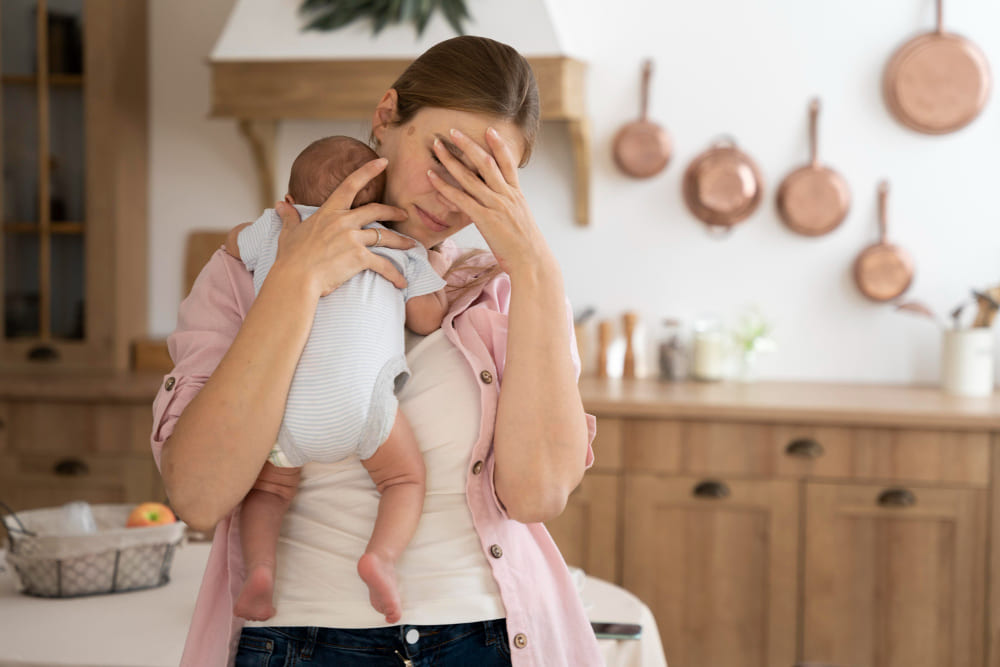

The birth of a baby brings a whirlwind of powerful emotions, from immense joy to profound anxiety.
While many new parents expect sleepless nights, few are prepared for the emotional toll. The “baby blues” are common, mild mood swings lasting up to two weeks, while postpartum depression is a more severe, long-lasting medical condition requiring treatment.
According to the Centers for Disease Control and Prevention (CDC), about 1 in 8 women with a recent live birth experience symptoms of postpartum depression.
Understanding the distinction is not just important—it’s critical for the well-being of the entire family.
This comprehensive guide is designed to provide clarity. We will delve deep into the symptoms, causes, and risk factors for both baby blues and postpartum depression.
You will learn to recognize the signs of a more serious condition, understand the differences between PPD and the rare but severe postpartum psychosis, and discover effective treatments and support strategies.
This article will empower you with the knowledge to navigate the postpartum period, seek help when needed, and support loved ones with confidence and compassion.
Disclaimer: This article is for informational purposes only and does not constitute medical advice. The information contained herein is not a substitute for professional medical advice, diagnosis, or treatment. Always seek the advice of your physician or other qualified health provider with any questions you may have regarding a medical condition.
In This Article
What Are the “Baby Blues”?
The term “baby blues” refers to a common, short-term period of moodiness, sadness, and anxiety that affects up to 85% of new mothers.
According to the American College of Obstetricians and Gynecologists (ACOG), these feelings typically begin two to three days after delivery and are a normal part of the postpartum experience for many.
The baby blues are largely attributed to the dramatic hormonal shifts that occur after childbirth, combined with the stress and sleep deprivation of caring for a newborn.
Symptoms are generally mild and transient. They do not typically interfere with a mother’s ability to care for her baby or herself in a significant way.
Common Symptoms of Baby Blues
Symptoms of the baby blues come and go and usually resolve on their own within one to two weeks without medical treatment. They may include:
- Mood swings
- Feeling sad, anxious, or overwhelmed
- Crying spells for no apparent reason
- Irritability
- Reduced concentration
- Trouble with appetite or sleep
- Questioning one’s ability to care for the baby
While unsettling, the key feature of the baby blues is their duration. If these feelings persist for more than two weeks or worsen over time, it may be a sign of a more serious condition like postpartum depression.
What Is Postpartum Depression (PPD)?
Postpartum depression (PPD) is a serious medical condition, a type of major depression that can occur after having a baby. It is not a character flaw or a sign of weakness.
As the Mayo Clinic explains, it’s a complication of giving birth. The symptoms are far more intense and long-lasting than those of the baby blues, significantly impairing a person’s ability to function and care for their baby.
The term is sometimes used interchangeably with perinatal depression, which is a broader term that includes depression occurring during pregnancy as well as up to one year after childbirth.
The Diagnostic and Statistical Manual of Mental Disorders (DSM-5-TR) uses the specifier “with peripartum onset” for a major depressive episode that begins during pregnancy or in the four weeks following delivery, but many experts and organizations extend this window to the first year postpartum.
“Postpartum depression is a disabling condition that has recently shown an increase in prevalence, becoming an essential public health issue.” – MDPI, Journal of Clinical Medicine
Unlike the baby blues, postpartum depression does not go away on its own and requires professional treatment.
Prompt intervention is crucial for the health of the mother, the baby, and the entire family unit.
How Can You Tell the Difference? A Side-by-Side Comparison
Distinguishing between the baby blues, postpartum depression, and the much rarer postpartum psychosis can be challenging in the moment.
This table provides a clear, side-by-side comparison of their key features to help you identify the signs.
| Feature | Baby Blues | Postpartum Depression (PPD) | Postpartum Psychosis |
|---|---|---|---|
| Prevalence | Very common (up to 85% of new mothers) | Common (approx. 1 in 8 mothers) | Rare (1 to 2 per 1,000 births) |
| Onset | Usually 2-3 days after delivery | Anytime in the first year, often within 1-4 weeks | Sudden, usually within the first week after delivery |
| Duration | A few days to 2 weeks | Lasts longer than 2 weeks; can persist for months or longer if untreated | Varies; requires immediate and intensive treatment |
| Symptom Severity | Mild and fluctuating | Moderate to severe; persistent and debilitating | Severe and extreme |
| Key Symptoms | Mood swings, tearfulness, anxiety, feeling overwhelmed | Persistent sadness, hopelessness, severe anxiety, loss of interest, feelings of guilt/worthlessness, difficulty bonding with baby, thoughts of self-harm | Hallucinations, delusions, paranoia, confusion, rapid mood swings, obsessive thoughts about the baby, attempts to harm self or baby |
| Impact on Functioning | Minimal; able to care for baby and self | Significant difficulty caring for baby and completing daily tasks | Inability to function or care for self or baby; loss of touch with reality |
| Need for Treatment | No medical treatment needed; resolves on its own | Requires professional treatment (therapy, medication) | Medical Emergency. Requires immediate hospitalization and treatment. |
What Are the Symptoms of Postpartum Depression?
The symptoms of postpartum depression are pervasive and can interfere with all aspects of life.
While they can be mistaken for baby blues initially, they are more intense, last longer, and do not fade without intervention.
Symptoms can vary from person to person but often include a combination of emotional, behavioral, and physical changes.
Emotional Symptoms
- Depressed Mood or Severe Mood Swings: A persistent feeling of sadness, emptiness, or hopelessness that doesn’t lift.
- Excessive Crying: Crying much more than usual, often without a clear trigger.
- Intense Irritability and Anger: Feeling easily frustrated, resentful, or enraged.
- Severe Anxiety and Panic Attacks: Overwhelming worry, racing thoughts, and physical symptoms like a racing heart, shortness of breath, and dizziness.
- Feelings of Worthlessness, Shame, or Guilt: Believing you are a bad mother or inadequate, and blaming yourself for your feelings.
- Fear of Not Being a Good Mother: Constant anxiety about your ability to care for your baby.
Behavioral Symptoms
- Difficulty Bonding with Your Baby: Feeling distant, numb, or uninterested in your newborn.
- Withdrawing from Family and Friends: Isolating yourself and avoiding social interaction.
- Loss of Interest in Activities: No longer finding pleasure in hobbies and activities you once enjoyed (a symptom known as anhedonia).
- Reduced Ability to Think Clearly or Concentrate: Difficulty making decisions, remembering details, or focusing on tasks.
Physical Symptoms
- Overwhelming Fatigue or Loss of Energy: A bone-deep exhaustion that sleep doesn’t relieve.
- Changes in Appetite: Significant loss of appetite or, conversely, eating much more than usual.
- Sleep Disturbances: Inability to sleep (insomnia) even when the baby is sleeping, or sleeping too much (hypersomnia).
- Unexplained Aches, Pains, or Headaches.
In the most severe cases, postpartum depression can involve recurrent thoughts of death, suicide, or harming the baby.
These thoughts are symptoms of the illness and a sign that immediate help is needed.
What Is the Difference Between PPD and Postpartum Psychosis?
While related to postpartum mood changes, postpartum psychosis is a separate and much more severe condition than postpartum depression.
It is considered a psychiatric emergency that requires immediate medical intervention.
Postpartum psychosis is rare, affecting only about 1 to 2 out of every 1,000 new mothers. Its onset is typically sudden and dramatic, usually within the first week after delivery.
The primary difference from PPD is the presence of psychotic symptoms, where the individual loses touch with reality.
Postpartum Psychosis is a Medical Emergency
If you or someone you know is experiencing symptoms of postpartum psychosis, it is critical to get help immediately. Call 911 or go to the nearest emergency room. The risk of harm to the mother or the baby is high, and immediate treatment is necessary for safety.
Symptoms of Postpartum Psychosis
Symptoms are severe and can change rapidly. They include:
- Hallucinations: Seeing, hearing, or smelling things that are not there.
- Delusions: Holding strong, irrational beliefs, often of a paranoid or grandiose nature.
- Severe Confusion and Disorientation: Feeling lost, not knowing where you are or what is happening.
- Obsessive Thoughts about the Baby: Often involving thoughts of harm.
- Extreme Mood Swings: Shifting from high energy and agitation to severe depression in a short period.
- Paranoia: Feeling suspicious of others, believing people are trying to harm you or your baby.
- Attempts to Harm Self or Baby.
A personal or family history of bipolar disorder or a previous psychotic episode significantly increases the risk for postpartum psychosis.
What Causes Postpartum Depression?
There is no single cause of postpartum depression. Research suggests it stems from a complex combination of genetic, physical, and emotional factors that converge during a period of immense life change.
Physical and Hormonal Changes
After childbirth, the body undergoes a massive hormonal shift. Levels of estrogen and progesterone, which are sky-high during pregnancy, drop dramatically within hours of delivery.
This abrupt change can trigger depression, similar to how smaller hormonal fluctuations can cause premenstrual mood swings.
Additionally, hormones produced by the thyroid gland can also drop, leading to feelings of fatigue, sluggishness, and depression.
Genetic Predisposition
Genetics play a significant role. Studies, such as those reviewed in Pathophysiological Mechanisms Implicated in Postpartum Depression, show that having a personal or family history of depression or other mood disorders increases the risk of developing PPD.
Specific genetic variations may make some individuals more sensitive to the hormonal and environmental stressors of the postpartum period.
Emotional and Lifestyle Factors
The emotional and psychological demands of new parenthood are immense and can contribute to PPD. Key factors include:
- Sleep Deprivation: Chronic lack of sleep can severely impact mood and coping abilities.
- Feeling Overwhelmed: Anxiety about the responsibility of caring for a newborn can be all-consuming.
- Identity Shift: Many new mothers struggle with their new role, feeling a loss of their old self, freedom, or control over their life.
- Lack of Social Support: Feeling isolated and without help from a partner, family, or friends is a major risk factor.
- Stressful Life Events: Complications during pregnancy or birth, a baby with health problems, financial strain, or relationship problems can all increase risk.
Who Is Most at Risk for Postpartum Depression?
Any new mother can develop postpartum depression, regardless of age, income, or culture. However, certain factors can increase a person’s vulnerability.
Recognizing these risk factors is a key step toward prevention and early intervention.
Your risk for PPD increases if you have:
- A personal or family history of depression, bipolar disorder, or anxiety disorders.
- Postpartum depression after a previous pregnancy.
- Experienced stressful life events in the past year (e.g., job loss, illness, death of a loved one).
- A baby with health problems or other special needs.
- Had twins, triplets, or other multiple births.
- Difficulty breastfeeding.
- Problems in your relationship with your partner.
- A weak or limited social support system.
- Financial problems.
- An unplanned or unwanted pregnancy.
Does Postpartum Depression Affect Partners and Fathers Too?
Yes. The postpartum period is a time of major adjustment for the entire family, and PPD is not limited to the birthing parent.
Research increasingly recognizes the prevalence of paternal postpartum depression and post-adoption depression.
Paternal Postpartum Depression
New fathers can also experience postpartum depression. Data from PostpartumDepression.org indicates that about 10% of new fathers experience depression after the birth of a child. The risk skyrockets if their partner is also depressed.
Symptoms in fathers are similar to those in mothers: sadness, fatigue, anxiety, changes in sleeping or eating patterns, and irritability.
Risk factors include being a young father, having a history of depression, experiencing relationship problems, and financial stress.
Paternal PPD can negatively affect the partner relationship and the child’s development, just as maternal PPD can.
Post-Adoption Depression
Adoptive parents can also experience significant depressive symptoms.
While they don’t undergo the hormonal changes of childbirth, the immense psychological, social, and financial stressors of the adoption process and the transition to parenthood can trigger what is known as post-adoption depression.
The symptoms are very similar to PPD, highlighting that the transition to parenthood itself is a major risk factor for all parents.
What Are the Long-Term Consequences if PPD Is Untreated?
Leaving postpartum depression untreated can have serious and lasting consequences for the mother, child, and family.
It is a ripple-effect condition that disrupts the foundational relationships of a new family.
Impact on the Mother
Untreated PPD can last for months or even years, sometimes evolving into a chronic depressive disorder.
It increases a woman’s risk for future episodes of major depression. It can also lead to a higher risk of self-harm and suicide, which is a leading cause of maternal mortality in the postpartum period.
Impact on the Child’s Development
A mother’s mental health is intrinsically linked to her child’s development.
A systematic review published in Neuropsychiatric Disease and Treatment found that children of mothers with untreated PPD are more likely to experience:
- Emotional and Behavioral Problems: Including excessive crying, sleeping and eating difficulties, and later, issues like aggression or withdrawal.
- Cognitive and Language Delays: Depressed mothers may interact less with their infants, which can impact cognitive stimulation and language acquisition.
- Attachment Issues: The mother-infant bond can be disrupted, leading to insecure attachment, which has long-term implications for the child’s future relationships.
Impact on Family Relationships
PPD places immense strain on the relationship with a partner. It can lead to conflict, emotional distance, and a breakdown in communication.
When one parent is depressed, the risk of depression in the other parent increases, creating a cycle of stress and emotional strain for the entire household.
How Is Postpartum Depression Diagnosed and Treated?
The first and most crucial step is recognizing the symptoms and reaching out for help.
Postpartum depression is a highly treatable condition, and a combination of professional support, therapy, and medication can lead to a full recovery.
When to See a Doctor
If you are experiencing any symptoms of postpartum depression or baby blues, it’s important to contact your healthcare provider (such as your OB-GYN or primary care physician).
Do not wait for your postpartum checkup if you are struggling. Call your provider immediately if your symptoms:
- Don’t fade after two weeks.
- Are getting worse.
- Make it hard for you to care for your baby or complete daily tasks.
- Include thoughts of harming yourself or your baby.
If You Are in Crisis
If you are having thoughts of harming yourself or your baby, seek help immediately. Do not be alone.
- Call 911 or go to your local emergency room.
- Call or text the 988 Suicide & Crisis Lifeline.
- Call or text the National Maternal Mental Health Hotline at 1-833-TLC-MAMA (1-833-852-6262).
These services are free, confidential, and available 24/7.
Screening and Diagnosis
Healthcare providers often use screening tools to help diagnose PPD. The most common is the Edinburgh Postnatal Depression Scale (EPDS), a 10-question survey that helps assess your emotional state.
Your provider will also discuss your symptoms, health history, and life circumstances to make a diagnosis.
Psychotherapy (Talk Therapy)
Psychotherapy is a first-line treatment for mild to moderate PPD.
It involves talking with a mental health professional to learn strategies for managing your feelings, thoughts, and behaviors. Effective types of therapy include:
- Cognitive Behavioral Therapy (CBT): Helps you identify and change negative thought patterns and behaviors. Research has consistently shown CBT to be effective for PPD.
- Interpersonal Therapy (IPT): Focuses on improving your relationships and resolving interpersonal conflicts that may be contributing to your depression.
Therapy can be one-on-one, in a group setting, or with your partner or family.
Medication
For moderate to severe postpartum depression, medication is often recommended, sometimes in combination with therapy.
- Antidepressants: Selective Serotonin Reuptake Inhibitors (SSRIs) are commonly prescribed. They work by balancing mood-regulating chemicals in the brain. It can take several weeks to feel their full effect. Many SSRIs, like sertraline and paroxetine, are considered relatively safe to use while breastfeeding, as very low amounts pass into breast milk. Always discuss the risks and benefits with your doctor.
- Zuranolone (Zurzuvae): In 2023, the FDA approved Zurzuvae, the first oral medication specifically for treating PPD. It is a 14-day course of treatment that has been shown to provide rapid symptom improvement. Discuss with your doctor if this new treatment is right for you.
How Can Postpartum Depression Be Prevented?
While not all cases of postpartum depression can be prevented, proactive steps can significantly reduce the risk, especially for those with known risk factors.
The U.S. Preventive Services Task Force (USPSTF) recommends that clinicians provide or refer pregnant and postpartum individuals at increased risk of perinatal depression to counseling interventions.
Strategies for Prevention
- Inform Your Doctor of Your History: If you have a history of depression or PPD, tell your doctor as soon as you know you’re pregnant. They can monitor you closely and create a proactive plan.
- Attend Postpartum Checkups: Your provider may recommend an early postpartum checkup to screen for PPD symptoms. Early detection is key to early treatment.
- Build Your Support System: Before the baby arrives, talk with your partner, family, and friends about how they can help. Don’t be afraid to ask for and accept help with meals, chores, or watching the baby so you can rest.
- Prioritize Self-Care: Make sleep a priority whenever possible. Eat nutritious food, stay hydrated, and try to get some gentle exercise, like a daily walk.
- Set Realistic Expectations: There is no such thing as a perfect parent. It’s okay to not have it all figured out. Be kind to yourself and lower your expectations for what you can accomplish in a day.
How Can Family and Friends Help Someone with PPD?
Support from loved ones is invaluable. If you suspect a friend or family member has postpartum depression, your help can make a world of difference.
Often, the person with depression may not recognize or admit they are struggling due to guilt or shame.
Actionable Ways to Help
- Encourage Professional Help: Gently suggest they talk to a doctor. Offer to help them make the appointment or even go with them.
- Listen Without Judgment: Create a safe space for them to share their feelings. Validate their emotions by saying things like, “That sounds incredibly difficult”. Avoid saying “Just be happy” or “It will pass”.
- Provide Practical Support: Offer specific help. Instead of “Let me know if you need anything”, say “I’m bringing dinner over on Tuesday”, or “I can watch the baby for two hours this afternoon so you can nap or take a shower”.
- Help with Research: Offer to find local therapists, support groups, or other mental health resources.
- Be Patient: Recovery from PPD takes time. Continue to offer your support and encouragement throughout the process.
What Are the Disparities in Postpartum Depression Care?
It is crucial to acknowledge that the burden of postpartum depression is not shared equally across all communities.
Significant racial and ethnic disparities exist in both the prevalence of PPD and access to care.
According to 2022 CDC data reported by PostpartumDepression.org, the rates of reported PPD symptoms are highest among American Indian/Alaska Native (21.8%) and Black, non-Hispanic mothers (16.3%), compared to White, non-Hispanic mothers (11.7%).
“It is crucial to understand that these disparities are not because of race. They are a direct result of systemic inequities. Higher rates… are linked to factors like reduced access to quality healthcare, experiences of racism and implicit bias from providers, higher rates of traumatic birth experiences, and the chronic stress associated with social and economic inequality.” – PostpartumDepression.org
Barriers to care, including stigma, lack of insurance, and a shortage of culturally competent providers, further exacerbate these disparities.
Addressing these systemic issues is essential for achieving maternal health equity and ensuring all mothers receive the support they need.
Frequently Asked Questions
1. How long do the baby blues last?
The baby blues typically last for a few days up to two weeks after childbirth. They usually resolve on their own without any medical treatment as hormone levels begin to stabilize.
2. Can postpartum depression start before the baby is born?
Yes. Depression that begins during pregnancy is known as perinatal or antepartum depression. It has similar symptoms and risk factors to PPD and increases the risk of depression continuing after birth.
3. Is it safe to take antidepressants while breastfeeding?
Many antidepressants, particularly SSRIs like sertraline, are considered relatively safe for breastfeeding. The amount that passes into breast milk is generally very low. Always discuss the risks and benefits with your healthcare provider to make an informed decision.
4. Can postpartum depression come back with another baby?
Yes, having PPD with one pregnancy significantly increases the risk of having it again. If you have a history of PPD, it’s important to work with your doctor on a prevention plan for subsequent pregnancies.
5. Can you get PPD if you adopt a child?
Yes. Post-adoption depression is a recognized condition. While the causes are not hormonal, the immense stress, sleep deprivation, and life changes associated with welcoming a new child can trigger depressive symptoms similar to PPD.
6. How is postpartum anxiety different from PPD?
Postpartum anxiety often involves constant worry, racing thoughts, and physical feelings of panic. While it frequently co-occurs with postpartum depression, it can also be a standalone condition. The primary symptom is overwhelming anxiety rather than persistent sadness.
7. Does PPD ever go away on its own?
Unlike the baby blues, postpartum depression is a medical condition that rarely resolves without treatment. Left untreated, it can last for many months or even years and may become a chronic depressive disorder.
8. What is the first step I should take if I think I have PPD?
The very first step is to talk to someone. Call your OB-GYN, primary care provider, or a mental health professional. Admitting you need help is a sign of strength and the most important step toward recovery.
Conclusion: You Are Not Alone
Navigating the postpartum period is a journey filled with profound changes. While the “baby blues” are a temporary and normal adjustment, postpartum depression is a serious but treatable medical condition. The key differences lie in the severity, duration, and impact on your ability to function. Recognizing these differences is the first step toward getting the right support.
Remember, PPD is not your fault, and you are not alone. Millions of parents experience this, and effective treatments are available. Recovery is not only possible but expected with the right care. Your mental health is just as important as your physical health.
If you or someone you love is struggling with symptoms that last longer than two weeks or are interfering with daily life, please reach out to a healthcare provider immediately.
Taking that step is the bravest and most important thing you can do for yourself and your family.
If this article was helpful, please consider sharing it with other new or expecting parents. Spreading awareness can save lives.