
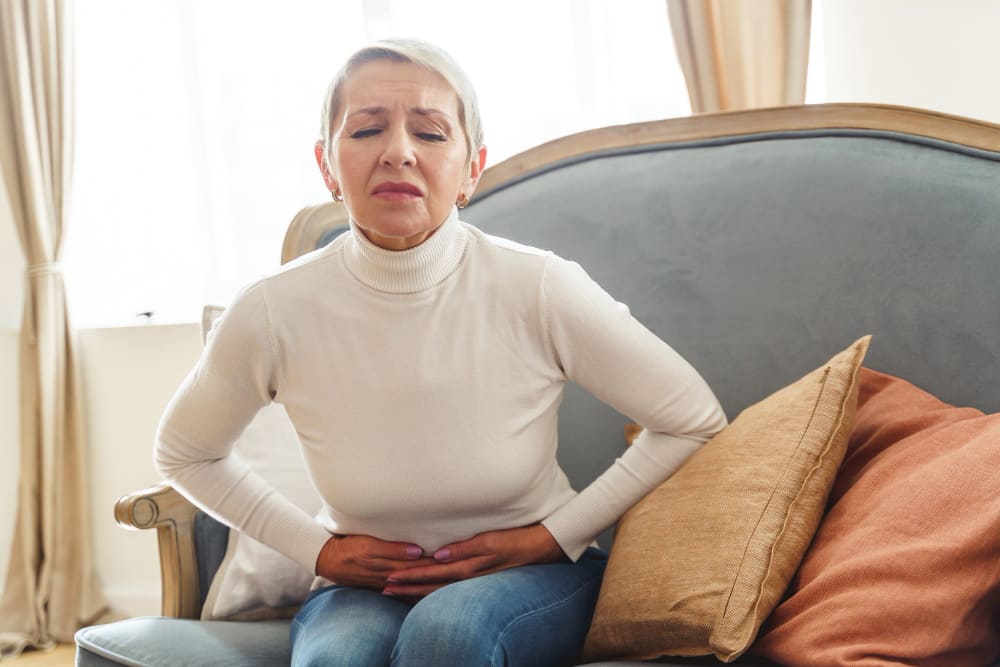

Preventing diverticulitis primarily involves adopting a high-fiber diet, staying well-hydrated, exercising regularly, and maintaining a healthy weight.
These lifestyle choices help keep your colon healthy and reduce pressure on its walls, which can prevent the formation and inflammation of diverticula.
While not all cases are preventable, these strategies significantly lower your risk.
Once considered a condition of the elderly, diverticulitis is now showing a troubling surge among younger adults.
A recent analysis of over 5.2 million hospitalizations found a 52% relative increase in complicated cases among Americans under 50 between 2005 and 2020 (UCLA Health).
This makes understanding prevention more critical than ever.
This comprehensive guide will walk you through the science-backed strategies to protect your digestive health, manage your risk factors, and take control of your well-being.
In This Article
What Is Diverticulitis and Why Should You Care?
To understand how to prevent diverticulitis, it’s essential to first distinguish between three related terms: diverticula, diverticulosis, and diverticulitis.
Diverticula and Diverticulosis: The Prerequisite
Your colon (large intestine) is a long, muscular tube. Over time, weak spots can develop in the colon wall. Increased pressure—often from straining during bowel movements—can cause these weak spots to bulge outward, forming small pouches.
A single pouch is called a diverticulum, multiple pouches are called diverticula.
The presence of these pouches is a condition known as diverticulosis. According to the National Institute of Diabetes and Digestive and Kidney Diseases (NIDDK), diverticulosis is extremely common, affecting over 30% of U.S. adults aged 50-59 and over 70% of those older than 80.
For most people, diverticulosis causes no symptoms and is often discovered incidentally during a routine colonoscopy.
Diverticulitis: When Pouches Become a Problem
Diverticulitis occurs when one or more of these diverticula become inflamed or infected.
This inflammation can be caused by a small tear in the pouch, allowing bacteria from the colon to leak out.
The result is often sudden, severe abdominal pain and other distressing symptoms.

This illustration shows normal colon anatomy alongside a colon with diverticulosis (pouches) and diverticulitis (inflamed pouches).
While only a small fraction of people with diverticulosis—less than 5%—will develop diverticulitis, the consequences can be serious. Complications can include:
- Abscess: A painful, swollen, pus-filled area caused by the infection.
- Fistula: An abnormal tunnel between the colon and another organ, such as the bladder.
- Perforation: A hole in the colon wall that can lead to a life-threatening infection of the abdominal cavity called peritonitis.
- Bowel Obstruction: A blockage in the colon caused by scarring from repeated inflammation.
The societal impact is significant. In the United States, diverticulitis accounts for approximately 200,000 hospitalizations and costs the healthcare system over $2 billion annually.
Preventing this condition isn’t just about avoiding pain, it’s about preserving your quality of life and avoiding serious, costly medical interventions.
What Are the Symptoms and Early Warning Signs?
Recognizing the symptoms is key to seeking timely treatment and preventing complications.
The symptoms can vary depending on whether you have chronic issues from diverticular disease or an acute attack of diverticulitis.
Symptoms of Diverticular Disease
Some people with diverticulosis experience ongoing, lower-grade symptoms even without active inflammation.
This is sometimes called Symptomatic Uncomplicated Diverticular Disease (SUDD).
According to the NIDDK, these symptoms can mimic Irritable Bowel Syndrome (IBS) and may include:
- Bloating and gas
- Abdominal pain or cramping, often on the lower left side
- Constipation, diarrhea, or alternating between the two
Symptoms of Acute Diverticulitis
An acute diverticulitis attack is much more intense. The Mayo Clinic highlights the hallmark symptom as persistent and severe abdominal pain, usually localized to the lower left quadrant of the abdomen.
This is because the sigmoid colon, the most common site for diverticula, is located there. However, people of Asian descent may more commonly experience pain on the right side.
Other common signs and symptoms of an acute attack include:
- Fever and chills
- Nausea and vomiting
- Abdominal tenderness to the touch
- Changes in bowel habits (constipation or diarrhea)
When to See a Doctor: If you experience constant, unexplained abdominal pain, especially if it’s accompanied by a fever and changes in your bowel movements, seek medical care immediately. These could be signs of a serious diverticulitis attack that requires treatment.
Who Is Most at Risk for Developing Diverticulitis?
While the exact cause of diverticulitis is not fully understood, research has identified several key risk factors that significantly increase your likelihood of developing the condition.
Some you can’t change, but many are within your control.
Non-Modifiable Risk Factors
- Age: The risk increases significantly with age. Diverticula are thought to result from long-term pressure on the colon walls and age-related changes in connective tissue.
- Genetics: A family history of diverticulitis may increase your risk. Recent research has identified a potential shared genetic liability with connective tissue disorders.
- Sex: Before age 50, men are more likely to develop diverticulitis. After age 50, it becomes more common in women.
Modifiable Risk Factors (The Keys to Prevention)
This is where you have the power to make a difference. The Mayo Clinic and numerous studies point to the following lifestyle factors:
- Low-Fiber Diet: This is the most widely cited risk factor. A diet low in fiber leads to harder, smaller stools that are more difficult to pass, increasing pressure inside the colon.
- High Intake of Red Meat: Diets high in red and processed meats have been consistently linked to a higher risk of diverticulitis.
- Lack of Physical Activity: A sedentary lifestyle is a strong risk factor. Regular exercise helps promote normal bowel function and reduces pressure in the colon.
- Obesity: Having a high Body Mass Index (BMI) significantly increases your risk of both developing diverticulitis and having more severe complications.
- Smoking: Smokers are at a higher risk of developing diverticulitis and its complications compared to non-smokers.
- Certain Medications: Regular use of nonsteroidal anti-inflammatory drugs (NSAIDs) like ibuprofen and naproxen, as well as steroids and opioids, is associated with an increased risk.
Can Your Diet Really Prevent Diverticulitis?
Yes, absolutely. Diet is the cornerstone of diverticulitis prevention. The goal is to keep stool soft and bulky, allowing it to move easily through the colon without exerting excessive pressure.
This is achieved primarily through fiber and adequate hydration.
The Critical Role of Fiber: How Much and What Kind?
Fiber is the part of plant-based foods that the body can’t digest. It adds bulk to stool and absorbs water, making it softer and easier to pass.
A meta-analysis published in the *European Journal of Nutrition* found that a high fiber intake could reduce the risk of diverticular disease by over 40% .
The Dietary Guidelines for Americans recommend an intake of 14 grams of fiber per 1,000 calories. For most adults, this translates to:
- 25-28 grams per day for women
- 30-34 grams per day for men
There are two main types of fiber, and both are important:
- Soluble Fiber: Dissolves in water to form a gel-like material. It can help lower cholesterol and glucose levels. Good sources include oats, peas, beans, apples, citrus fruits, carrots, and barley.
- Insoluble Fiber: Promotes the movement of material through your digestive system and increases stool bulk. Good sources include whole-wheat flour, wheat bran, nuts, beans, and vegetables like cauliflower and green beans.
Expert Tip: Increase your fiber intake gradually over several weeks. A sudden, large increase can cause gas, bloating, and cramping as your digestive system adapts. Add 5 grams of fiber every few days and be sure to drink plenty of water.
High-Fiber Foods to Add to Your Shopping List
Incorporating more fiber into your diet is easier than you think. Focus on whole foods. Here is a table to guide you, with data sourced from the NIDDK.
| Food Category | Food Item and Portion Size | Approximate Fiber (grams) |
|---|---|---|
| Legumes | Lentils, cooked (1/2 cup) | 7.8 |
| Legumes | Pinto Beans, cooked (1/2 cup) | 7.7 |
| Legumes | Chickpeas, cooked (1/2 cup) | 6.3 |
| Fruits | Raspberries (1 cup) | 8.0 |
| Fruits | Asian Pear, medium (1) | 6.5 |
| Fruits | Apple with skin, medium (1) | 4.8 |
| Vegetables | Green Peas, cooked (1 cup) | 8.8 |
| Vegetables | Broccoli, cooked (1 cup) | 5.2 |
| Vegetables | Sweet Potato, cooked (1 cup) | 6.3 |
| Grains | High-fiber cereal (1/2 cup) | 14.0 |
| Grains | Bulgur, cooked (1/2 cup) | 4.1 |
| Grains | Whole wheat crackers (1 ounce) | 2.9 |
What About Red Meat and Processed Foods?
Research suggests that a diet high in red meat and processed foods increases the risk of diverticulitis. While the exact mechanism isn’t certain, these diets are often low in fiber and may alter the gut microbiome in a way that promotes inflammation.
To lower your risk, consider limiting your intake of red meat (beef, pork, lamb) to a few servings per week and replacing it with poultry, fish, or plant-based proteins like beans and lentils.
The Truth About Nuts, Seeds, and Popcorn
For decades, patients were told to avoid nuts, seeds, and popcorn, fearing these small particles could get lodged in a diverticulum and cause an infection. This advice has been debunked.
Large-scale studies have shown no evidence that these foods cause diverticulitis. In fact, a landmark study found that men who ate nuts and popcorn at least twice a week had a lower risk of developing diverticulitis. These foods are excellent sources of fiber.
The American Gastroenterological Association (AGA) now explicitly suggests against advising patients to avoid them .
Hydration: The Unsung Hero of Colon Health
Fiber can’t do its job without water. It works by absorbing water, which softens the stool. If you increase your fiber intake without increasing your fluid intake, you can actually make constipation worse.
Aim to drink at least 8 glasses (64 ounces) of water or other non-caffeinated, unsweetened fluids per day. You may need more if you exercise or live in a hot climate.
How Does Exercise Impact Your Risk of Diverticulitis?
Regular physical activity is a powerful tool for preventing diverticulitis. Exercise helps prevent constipation by decreasing the time it takes for food to move through the large intestine.
This reduces the amount of water absorbed from the stool, leaving it softer and easier to pass.
A study in the *American Journal of Gastroenterology* found that vigorous activity, such as running or jogging, was associated with a significantly lower risk of diverticular disease and its complications.
The key is consistency. Aim for at least 150 minutes of moderate-intensity aerobic activity (like brisk walking, swimming, or cycling) or 75 minutes of vigorous-intensity activity per week, as recommended by the CDC.
Are There Other Lifestyle Changes That Can Help?
Beyond diet and exercise, several other lifestyle modifications play a crucial role in reducing your risk of diverticulitis.
Maintain a Healthy Weight
Obesity, particularly having a high waist-to-hip ratio, is a major risk factor.
Excess weight increases pressure within the abdomen and is linked to higher levels of chronic inflammation throughout the body.
Losing even a modest amount of weight (5-10% of your body weight) can have a significant positive impact on your overall health and lower your risk.
Quit Smoking
Smoking is associated with an increased risk of developing complicated diverticulitis.
It impairs blood flow and immune function, making it harder for your body to fight infection and heal.
Quitting smoking is one of the single best things you can do for your digestive health and overall well-being.
Limit Alcohol Use
While the link is less direct than with other factors, heavy alcohol use may contribute to the risk.
Moderation is key. If you choose to drink, do so in moderation, which is defined as up to one drink per day for women and up to two drinks per day for men.
Which Medications Increase Your Risk of Diverticulitis?
Certain common medications can increase your risk of developing diverticulitis or its complications.
It’s important to be aware of these and discuss them with your doctor.
- Nonsteroidal Anti-Inflammatory Drugs (NSAIDs): This is the most well-documented link. Frequent use of NSAIDs like ibuprofen (Advil, Motrin) and naproxen (Aleve) is associated with a higher risk of both diverticulitis and diverticular bleeding. These drugs can damage the lining of the GI tract. If you need pain relief, acetaminophen (Tylenol) is generally considered a safer option for your colon.
- Steroids: Oral corticosteroids can suppress the immune system and may increase the risk of perforation, a serious complication of diverticulitis.
- Opioids: Opioid pain medications are known to cause severe constipation, which increases pressure within the colon and can exacerbate the underlying conditions that lead to diverticulitis.
The AGA suggests that patients with a history of diverticulitis should avoid non-aspirin NSAIDs if possible.
Always talk to your healthcare provider before stopping or changing any prescribed medication.
What Is the Role of Probiotics in Prevention?
The gut microbiome—the community of trillions of bacteria living in your digestive tract—is a hot topic in digestive health.
The theory is that an imbalance in gut bacteria could contribute to the inflammation seen in diverticulitis.
This has led to interest in whether probiotics (live “good” bacteria) could help prevent it.
However, the evidence is still emerging and inconclusive. Some small studies have suggested a potential benefit. For example, a 2025 meta-analysis noted that probiotics might help reduce the duration of an acute attack.
Another study looked at *Lactobacillus paracasei* for preventing recurrence. But as of now, there is not enough strong scientific evidence to broadly recommend probiotics for the prevention of a first attack or recurrence of diverticulitis.
More research is needed to determine which strains, doses, and treatment durations might be effective.
Talk to your doctor before starting any new supplement, including probiotics.

Always consult with a healthcare professional to create a personalized prevention plan for diverticulitis.
What Happens After a Diverticulitis Attack?
If you’ve already had an episode of diverticulitis, the focus shifts to preventing a recurrence.
The risk of having another attack is approximately 20% within 10 years , and this risk increases with each subsequent episode.
Dietary Progression After a Flare-Up
Treatment for an acute attack is very different from prevention. During a flare-up, your colon needs to rest. Your doctor will likely recommend:
- Clear Liquid Diet: For a few days, you’ll stick to clear liquids like broth, clear juices, water, and gelatin.
- Low-Fiber Diet: As your symptoms improve, you’ll gradually add back low-fiber foods like white bread, white rice, eggs, and yogurt.
- Return to High-Fiber Diet: Once you are fully recovered, you will slowly and gradually return to a high-fiber diet for long-term prevention. This is the most crucial step for preventing another attack.
Follow-Up Colonoscopy
Your doctor may recommend a colonoscopy about 6 to 8 weeks after you recover from an acute attack.
This is to rule out other conditions that can mimic diverticulitis, such as colon cancer, and to assess the extent of your diverticulosis.
Frequently Asked Questions (FAQ)
1. What is the main cause of diverticulitis?
The main cause is the inflammation or infection of small pouches (diverticula) in the colon wall. This is often triggered by increased pressure in the colon, commonly linked to a long-term low-fiber diet, which leads to microscopic tears in the pouches.
2. What foods should I absolutely avoid to prevent diverticulitis?
No foods must be absolutely avoided. The focus should be on what to include: high-fiber foods. Diets high in red meat and low in fiber are associated with higher risk. The old advice to avoid nuts, seeds, and popcorn has been disproven.
3. Can stress cause a diverticulitis flare-up?
While stress is not a direct cause of diverticulitis, it can affect overall digestive health and may worsen symptoms like abdominal pain and bloating in some individuals. Managing stress is a good practice for overall well-being but is not a primary prevention strategy for this condition.
4. How much water should I drink for diverticulitis prevention?
Aim for at least 64 ounces (about 2 liters or 8 glasses) of water daily. Adequate hydration is crucial, especially with a high-fiber diet, as it helps soften stool and prevent the increased colon pressure that contributes to diverticula formation.
5. Is diverticulitis hereditary?
There appears to be a genetic component. Having a close family member with diverticulitis may increase your risk. However, lifestyle factors like diet and exercise play a much larger and more modifiable role in whether you will develop the condition.
6. Can I prevent diverticulitis with exercise alone?
Exercise is a key component of prevention, as it promotes healthy bowel function. However, it is most effective when combined with a high-fiber diet, adequate hydration, and maintaining a healthy weight. Diet is generally considered the most critical factor.
7. Does having diverticulosis mean I will get diverticulitis?
No. The vast majority of people with diverticulosis will never develop diverticulitis. Current estimates suggest that less than 5% of individuals with diverticulosis will experience an inflammatory attack. Prevention strategies help keep that risk low.
8. What is the best diet to prevent diverticulitis?
The best diet is one rich in fiber from fruits, vegetables, legumes, and whole grains. Aim for 25-35 grams of fiber per day. It’s also beneficial to limit red and processed meats and ensure you drink plenty of water.
Conclusion
Preventing diverticulitis is not about a quick fix or a magic pill, it’s about a long-term commitment to a healthier lifestyle.
By focusing on a few key pillars—a high-fiber diet, regular exercise, maintaining a healthy weight, and avoiding smoking—you can dramatically reduce your risk of this painful and potentially serious condition.
The key takeaways are simple but powerful:
- Eat more fiber: Fill your plate with fruits, vegetables, beans, and whole grains.
- Stay hydrated: Drink plenty of water to help fiber do its job.
- Move your body: Regular physical activity keeps your digestive system running smoothly.
- Manage your risk: Maintain a healthy weight, quit smoking, and be mindful of medications like NSAIDs.
This guide provides the knowledge, but the power to act is in your hands. Start by making small, sustainable changes today. Your colon will thank you for years to come.
We encourage you to discuss this information with your healthcare provider to create a prevention plan tailored to your specific needs. If you found this guide helpful, please consider sharing it with others who might benefit.
Medical Disclaimer
The information in this article is for educational and informational purposes only and is not intended as a substitute for professional medical advice, diagnosis, or treatment. Always seek the advice of your physician or other qualified health provider with any questions you may have regarding a medical condition. Never disregard professional medical advice or delay in seeking it because of something you have read in this article.