
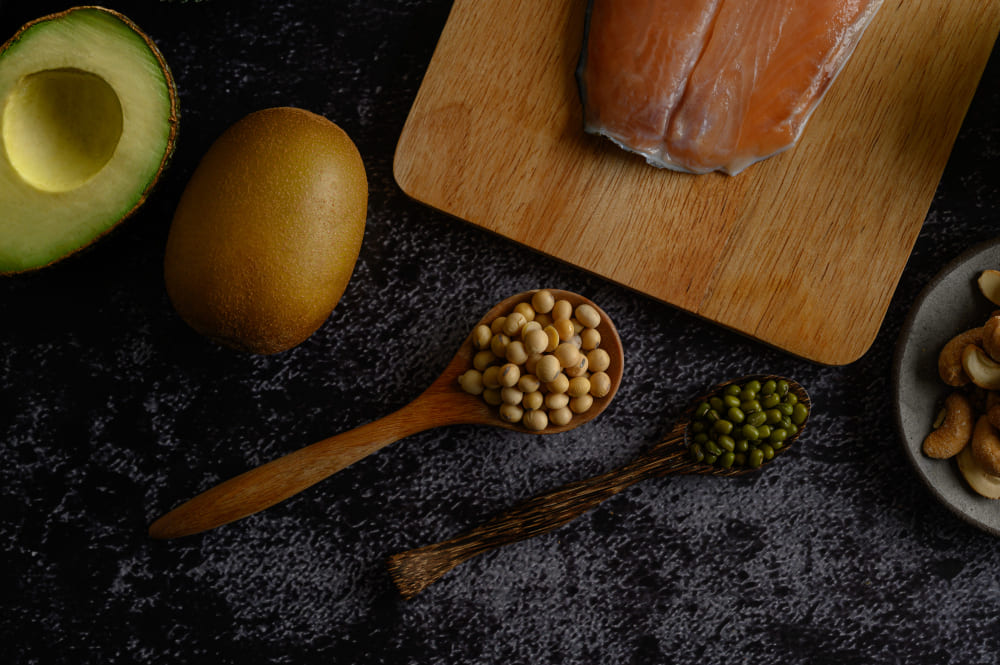

Foods high in healthy fats, such as avocados, nuts, seeds, and fatty fish, are essential for optimal health.
These beneficial fats, including monounsaturated and polyunsaturated types, play a crucial role in reducing bad cholesterol, supporting brain function, and lowering the risk of heart disease.
For decades, dietary fat was vilified, leading to a surge in low-fat products that often replaced fat with sugar and refined carbohydrates.
However, extensive research, including findings from the Nurses’ Health Study, has overturned this misconception, showing that the type of fat you eat is far more important than the total amount.
Shifting your focus from a low-fat diet to one rich in beneficial “good” fats is a powerful strategy for long-term wellness.
This guide will walk you through the science-backed benefits of healthy fats and provide a definitive list of the top 15 foods to incorporate into your diet today.
In This Article
What Are Healthy Fats and Why Do You Need Them?
For years, “fat” was a word to be feared in dietary circles. This fear led to an era of low-fat and fat-free products, but it didn’t make us healthier.
In fact, newer research shows that our bodies not only need fat but thrive on the right kinds.
According to Harvard Health Publishing, fat is a major source of energy, helps absorb essential vitamins (A, D, E, and K), and is fundamental to building cell membranes and the sheaths surrounding nerves.
It’s also vital for blood clotting, muscle movement, and managing inflammation.
So, what makes a fat “healthy”? Healthy fats are primarily unsaturated fats, which include monounsaturated and polyunsaturated fats.
Chemically, all fats are chains of carbon atoms bonded to hydrogen atoms. The difference lies in their structure.
Saturated fats have the maximum number of hydrogen atoms possible, making them solid at room temperature (like butter).
Unsaturated fats have one or more double bonds in their carbon chain, meaning they have fewer hydrogen atoms. This structural difference makes them liquid at room temperature (like olive oil) and gives them their health-promoting properties.
The key takeaway, supported by organizations like the American Heart Association, is to shift focus from total fat intake to the quality of fat. Instead of avoiding fat, the goal is to replace harmful fats (trans fats and, to a lesser extent, saturated fats) with beneficial healthy fats.
Monounsaturated vs. Polyunsaturated Fats: What’s the Difference?
Unsaturated fats are the heroes of the fat world, but they come in two main forms: monounsaturated and polyunsaturated. While both are beneficial, they have distinct structures and offer unique health advantages.
Monounsaturated Fats (MUFAs)
Monounsaturated fats have a single carbon-to-carbon double bond in their chemical structure. This “mono” bond creates a bend in the molecule, which keeps it liquid at room temperature.
The most well-known MUFA is oleic acid, the primary fat found in olive oil.
The health benefits of MUFAs were famously highlighted by the Seven Countries Study, which observed low rates of heart disease in Mediterranean populations despite their high-fat diets.
The key was that their primary fat source was olive oil. Research, including studies from the Mayo Clinic, shows that MUFAs can help:
- Lower levels of “bad” LDL (low-density lipoprotein) cholesterol.
- Maintain or even raise levels of “good” HDL (high-density lipoprotein) cholesterol.
- Improve blood sugar control, which is crucial for preventing and managing type 2 diabetes.
Primary sources include: Olive oil, canola oil, peanut oil, avocados, and most nuts (like almonds, hazelnuts, and pecans).
Polyunsaturated Fats (PUFAs)
Polyunsaturated fats have two or more double bonds in their structure. These are considered essential fats, meaning your body cannot produce them, so you must obtain them from your diet.
PUFAs are critical for brain function, cell growth, and inflammation control. There are two main classes of PUFAs:
1. Omega-3 Fatty Acids
Omega-3s are renowned for their powerful anti-inflammatory properties and are crucial for heart and brain health. There are three main types:
- Alpha-linolenic acid (ALA): The most common omega-3, found in plant sources. The body can convert ALA into EPA and DHA, but the process is inefficient. Sources include flaxseeds, chia seeds, walnuts, and canola oil.
- Eicosapentaenoic acid (EPA): Found primarily in fatty fish, EPA helps reduce inflammation and may help reduce symptoms of depression.
- Docosahexaenoic acid (DHA): A major structural component of the brain and retina. As noted by the National Institutes of Health (NIH), adequate DHA is critical for brain development and function. Sources include fatty fish and algae.
2. Omega-6 Fatty Acids
Omega-6 fatty acids, primarily from vegetable oils like soybean and corn oil, are also essential. They help lower harmful LDL cholesterol and improve insulin sensitivity.
However, the modern Western diet often contains an imbalanced ratio, with far too much omega-6 and not enough omega-3. While omega-6s are not inherently “bad”, an excess can promote inflammation.
The goal is not to eliminate omega-6s but to achieve a healthier balance by increasing omega-3 intake.
How Do Healthy Fats Benefit Your Overall Health?
Incorporating a variety of healthy fats into your diet is one of the most impactful changes you can make for your well-being.
Their benefits extend far beyond basic energy, influencing everything from your heart to your head.
- Improves Heart Health: This is the most well-documented benefit. Unsaturated fats help lower LDL (“bad”) cholesterol and triglycerides, which are major risk factors for atherosclerosis (the hardening and narrowing of arteries). Replacing saturated fats with polyunsaturated fats is associated with a significant reduction in cardiovascular disease risk, as confirmed by numerous studies cited by the Harvard T.H. Chan School of Public Health.
- Supports Brain Function and Mental Health: Your brain is nearly 60% fat, and it relies on a steady supply of essential fatty acids, particularly DHA, to function correctly. Higher omega-3 intake is linked to a lower risk of dementia, Alzheimer’s disease, and depression. These fats help build and maintain cell membranes in the brain, facilitating communication between brain cells.
- Reduces Inflammation: Chronic inflammation is a root cause of many diseases, including heart disease, diabetes, and arthritis. Omega-3 fatty acids are potent anti-inflammatory agents. They produce compounds that help resolve inflammation, counteracting the pro-inflammatory effects of an imbalanced diet.
- Aids in Nutrient Absorption: Vitamins A, D, E, and K are fat-soluble, meaning they require fat to be absorbed and utilized by your body. A diet too low in fat can lead to deficiencies in these crucial nutrients.
- Promotes Satiety and Weight Management: Contrary to the old belief that “eating fat makes you fat”, healthy fats are incredibly satiating. They slow down digestion, which helps you feel full longer and can reduce overall calorie intake. A diet rich in healthy fats from whole foods is more effective for long-term weight management than a restrictive low-fat diet.
- Supports Healthy Skin and Hair: Fats are essential for maintaining the structure and barrier function of your skin. A deficiency in essential fatty acids can lead to dry, scaly skin.
The Top 15 Foods High in Healthy Fats
Ready to upgrade your diet? Here is a comprehensive list of the top 15 foods packed with beneficial monounsaturated and polyunsaturated fats.
Each one offers a unique nutritional profile and delicious ways to enjoy them.
1. Avocados
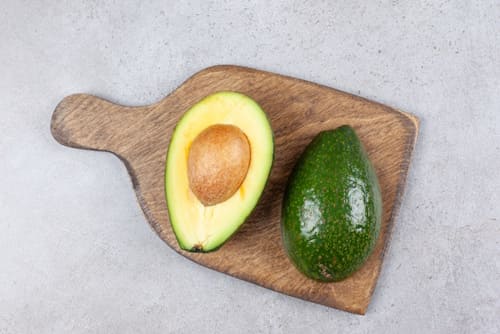
Avocados are unique among fruits for being incredibly rich in fat—about 80% of their calories come from fat. The predominant fat is oleic acid, a heart-healthy monounsaturated fat.
- Nutritional Highlight: A single medium avocado (about 200g) provides approximately 29 grams of fat (mostly monounsaturated) and 13.5 grams of fiber.
- Why It’s Great: Besides its healthy fat content, it’s packed with potassium, fiber, and antioxidants. Studies show daily avocado consumption can improve cholesterol profiles.
- How to Eat It: Add slices to toast, salads, or sandwiches, blend into smoothies for a creamy texture, or make classic guacamole.
2. Extra Virgin Olive Oil
A cornerstone of the Mediterranean diet, extra virgin olive oil (EVOO) is a champion of monounsaturated fats, specifically oleic acid. It’s also loaded with powerful antioxidants called polyphenols.
- Nutritional Highlight: One tablespoon contains about 14 grams of fat, with 10 grams being monounsaturated.
- Why It’s Great: Its anti-inflammatory properties are well-documented, and it’s strongly linked to a reduced risk of heart disease and stroke. Choose “extra virgin” for the highest antioxidant content.
- How to Eat It: Use as a base for salad dressings, drizzle over roasted vegetables, or use for low-to-medium heat sautéing.
3. Salmon (and other Fatty Fish)
Fatty fish like salmon, mackerel, herring, sardines, and trout are the best dietary sources of the long-chain omega-3 fatty acids EPA and DHA.
- Nutritional Highlight: A 3-ounce (85g) serving of cooked wild Atlantic salmon provides about 1.5 grams of combined EPA and DHA.
- Why It’s Great: These omega-3s are critical for brain health, reducing inflammation, and protecting against heart disease. The American Heart Association recommends eating fish at least twice a week.
- How to Eat It: Bake, grill, or pan-sear salmon fillets. Canned sardines and salmon are also excellent, budget-friendly options.
4. Walnuts
While all nuts are good for you, walnuts stand out for their significant content of the plant-based omega-3 fatty acid alpha-linolenic acid (ALA).
- Nutritional Highlight: A 1-ounce serving (about 14 halves) contains over 2.5 grams of ALA.
- Why It’s Great: Walnuts support brain health and have been shown to improve cholesterol levels and blood vessel function.
- How to Eat It: Snack on them raw, add to oatmeal or yogurt, or toss into salads for a crunchy texture.
5. Chia Seeds
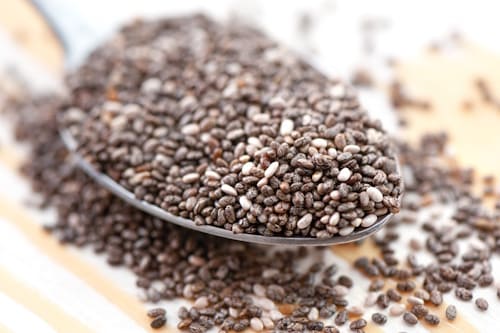
These tiny seeds are a nutritional powerhouse. The vast majority of their calories come from fat and fiber, making them incredibly nutrient-dense. They are an excellent source of ALA omega-3s.
- Nutritional Highlight: One ounce (about 2 tablespoons) provides 9 grams of fat (including 5 grams of ALA) and a whopping 10 grams of fiber.
- Why It’s Great: They absorb liquid to form a gel, which can promote satiety. They are also packed with calcium, phosphorus, and antioxidants.
- How to Eat It: Make chia pudding, add to smoothies, or use as an egg replacer in baking.
6. Flaxseeds
Flaxseeds are another stellar source of ALA omega-3s and are particularly rich in lignans, a type of antioxidant that may help protect against certain cancers.
- Nutritional Highlight: One tablespoon of ground flaxseed contains about 2.3 grams of ALA.
- Why It’s Great: To unlock their benefits, flaxseeds must be consumed ground, otherwise, they pass through the digestive system intact. They are great for digestive health due to their high fiber content.
- How to Eat It: Sprinkle ground flaxseed over cereal, yogurt, or salads, or blend into smoothies.
7. Almonds
Almonds are packed with monounsaturated fats, along with vitamin E, magnesium, and protein.
- Nutritional Highlight: A 1-ounce serving (about 23 almonds) has 14 grams of fat (9g monounsaturated) and 6 grams of protein.
- Why It’s Great: They are a satisfying snack that can help lower LDL cholesterol and reduce the risk of heart disease.
- How to Eat It: Eat them raw or roasted, use almond butter as a spread, or use almond flour in baking.
8. Whole Eggs
Eggs were once demonized for their cholesterol content, but modern research has shown that for most people, dietary cholesterol has little effect on blood cholesterol.
The yolk is where you’ll find the healthy fats, vitamins, and the essential nutrient choline.
- Nutritional Highlight: One large egg contains about 5 grams of fat and 6 grams of high-quality protein.
- Why It’s Great: Eggs are a complete protein, nutrient-dense, and a budget-friendly food that supports brain and eye health.
- How to Eat It: Scrambled, boiled, poached, or fried—eggs are incredibly versatile.
9. Dark Chocolate
A treat that’s actually good for you! Dark chocolate (70% cocoa or higher) is rich in fats, fiber, and minerals like iron and magnesium.
Its fat is primarily oleic acid (a MUFA) and stearic acid (a saturated fat that has a neutral effect on cholesterol).
- Nutritional Highlight: A 1-ounce serving of 70-85% dark chocolate has about 12 grams of fat.
- Why It’s Great: It’s loaded with antioxidants like flavonoids, which are linked to improved heart health and brain function.
- How to Eat It: Enjoy a small square as a dessert. Choose varieties with high cocoa content and low added sugar.
10. Tofu
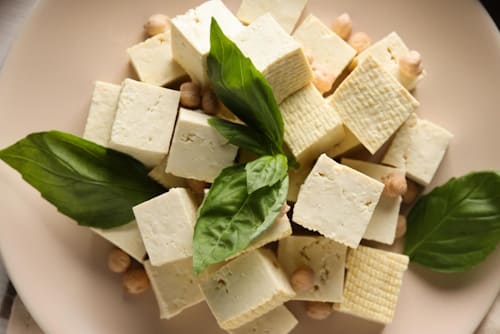
Made from soybeans, tofu is a fantastic plant-based protein source that also provides a good amount of polyunsaturated fats, including both omega-3s (ALA) and omega-6s.
- Nutritional Highlight: A 3-ounce serving of firm tofu contains about 5 grams of fat and 8 grams of protein.
- Why It’s Great: It’s a complete protein and a versatile ingredient that absorbs the flavors of whatever it’s cooked with.
- How to Eat It: Use firm tofu in stir-fries, bake it until crispy, or blend silken tofu into smoothies and sauces.
11. Full-Fat Yogurt
Full-fat yogurt contains more fat than its low-fat counterparts, which helps with satiety and the absorption of fat-soluble vitamins. It’s also a great source of probiotics.
- Nutritional Highlight: One cup of plain, whole-milk yogurt has about 8 grams of fat.
- Why It’s Great: The probiotics support gut health, which is linked to overall immunity and well-being. Choose plain yogurt to avoid added sugars.
- How to Eat It: Top with berries and nuts, use as a base for dips, or add to smoothies.
12. Olives
The fruit from which olive oil is made, olives are a tasty source of monounsaturated fats (oleic acid) and vitamin E.
- Nutritional Highlight: Ten large olives contain about 5 grams of fat.
- Why It’s Great: They contain antioxidants that fight inflammation and protect cells from damage.
- How to Eat It: Add to salads, pasta dishes, or enjoy as a savory snack.
13. Macadamia Nuts
These buttery nuts have one of the highest fat contents of all nuts, with the majority being heart-healthy monounsaturated fat.
- Nutritional Highlight: A 1-ounce serving has about 21 grams of fat, with 17 grams being monounsaturated.
- Why It’s Great: Studies suggest macadamia nuts can help lower total and LDL cholesterol.
- How to Eat It: Enjoy a small handful as a snack, but be mindful of portion sizes due to their high calorie density.
14. Sunflower Seeds
Sunflower seeds are an excellent source of polyunsaturated fats, particularly omega-6s, and are one of the best food sources of the antioxidant vitamin E.
- Nutritional Highlight: A 1-ounce serving provides about 14 grams of fat and over a third of the daily value for vitamin E.
- Why It’s Great: Vitamin E is a powerful antioxidant that protects cells from damage.
- How to Eat It: Sprinkle on salads, add to trail mix, or use sunflower seed butter as an alternative to peanut butter.
15. Edamame

These young, green soybeans are a popular and nutritious snack. They are a good source of plant-based protein, fiber, and polyunsaturated fats.
- Nutritional Highlight: One cup of shelled edamame has about 8 grams of fat and 17 grams of protein.
- Why It’s Great: Edamame provides a good balance of omega-3 and omega-6 fatty acids and is a complete protein.
- How to Eat It: Steam or boil the pods and sprinkle with sea salt, or add the shelled beans to salads and stir-fries.
How Do Saturated and Trans Fats Compare?
To fully appreciate healthy fats, it’s important to understand their less-desirable counterparts. The American Heart Association uses a simple model: “Love It” (Unsaturated), “Limit It” (Saturated), and “Lose It” (Trans Fat).
Saturated Fats: The “In-Between” Fats
Saturated fats are found primarily in animal products like red meat, butter, and full-fat dairy, as well as tropical oils like coconut and palm oil.
For decades, they were considered the primary dietary villain for heart disease. However, the science is now more nuanced.
A diet rich in saturated fats can drive up total cholesterol and tip the balance toward more harmful LDL cholesterol. For that reason, most nutrition experts recommend limiting saturated fat to under 10% of daily calories. However, recent analyses suggest that replacing saturated fat with polyunsaturated fats is key to reducing heart disease risk, whereas replacing it with refined carbohydrates may not be beneficial. – Harvard Health Publishing
The consensus is not that saturated fats are evil, but that they are best consumed in moderation and that replacing them with unsaturated fats is a heart-healthy choice.
For example, cooking with olive oil instead of butter or choosing fish over fatty meat.
Trans Fats: The “Bad” Fats to Avoid
Artificial trans fats, created through an industrial process called hydrogenation, have no known health benefits and no safe level of consumption. They are the worst type of fat for your health.
They are found in fried foods, packaged baked goods, and many highly processed items.
Trans fats simultaneously raise “bad” LDL cholesterol and lower “good” HDL cholesterol, a dangerous combination that significantly increases the risk of heart disease, stroke, and type 2 diabetes.
Fortunately, due to regulations, they have been largely eliminated from the food supply in the U.S. and many other countries, but it’s still wise to check labels for “partially hydrogenated oils”.
How Can You Incorporate More Healthy Fats Into Your Diet?
Making the switch to healthier fats is easier than you think. It’s about making smart swaps and additions, not overhauling your entire life. Here are some practical tips:
- Cook with Plant Oils: Use extra virgin olive oil for salad dressings and low-heat cooking. Use avocado oil or canola oil for higher-heat cooking like searing or stir-frying.
- Snack on Nuts and Seeds: Keep a small portion of walnuts, almonds, or sunflower seeds on hand for a quick, satisfying snack instead of reaching for chips or crackers.
- Add Avocado: Mash it on toast instead of butter, add it to salads for creaminess, or blend it into smoothies.
- Embrace Fatty Fish: Aim for at least two servings of fatty fish like salmon or sardines per week. Canned options are convenient and affordable.
- Sprinkle Seeds: Add a tablespoon of ground flaxseed or chia seeds to your morning oatmeal, yogurt, or smoothie.
- Choose Nut Butters: Opt for natural peanut, almond, or sunflower seed butter with no added sugar or hydrogenated oils.
- Make Your Own Dressing: Whisk together olive oil, lemon juice or vinegar, and herbs for a simple, healthy salad dressing that’s far better than store-bought versions.
A Comparative Look: Healthy Fats Nutrition Table
This table provides a snapshot of the fat profile for some of the top healthy fat food sources.
Note that values are approximate and can vary based on preparation and specific product.
| Food | Serving Size | Total Fat (g) | Monounsaturated Fat (g) | Polyunsaturated Fat (g) | Key Nutrient/Benefit |
|---|---|---|---|---|---|
| Avocado | 1/2 medium (100g) | 14.7 | 9.8 | 1.8 | High in Fiber & Potassium |
| Extra Virgin Olive Oil | 1 tbsp (14g) | 14.0 | 10.0 | 1.5 | Rich in Antioxidants |
| Salmon (Atlantic, wild) | 3 oz (85g), cooked | 10.5 | 3.7 | 4.1 (incl. 1.5g Omega-3) | Excellent source of EPA/DHA |
| Walnuts | 1 oz (28g) | 18.5 | 2.5 | 13.4 (incl. 2.5g ALA) | Highest plant source of Omega-3 |
| Almonds | 1 oz (28g) | 14.2 | 9.1 | 3.5 | High in Vitamin E |
| Chia Seeds | 1 oz (28g) | 8.7 | 0.6 | 6.5 (incl. 5.0g ALA) | Extremely high in Fiber |
| Ground Flaxseeds | 1 tbsp (7g) | 3.0 | 0.6 | 2.0 (incl. 1.6g ALA) | Source of Lignans |
| Dark Chocolate (70-85%) | 1 oz (28g) | 12.0 | 3.8 | 0.5 | Rich in Flavonoids |
Source: Data compiled from USDA FoodData Central and other nutritional databases.
Frequently Asked Questions About Dietary Fats
1. Can eating healthy fats make me gain weight?
Any food can cause weight gain if eaten in excess. However, healthy fats promote satiety, helping you feel full and potentially reducing overall calorie intake. The key is moderation and focusing on whole-food sources rather than processed fatty foods.
2. How much healthy fat should I eat per day?
The Dietary Guidelines for Americans recommend that 20-35% of your total daily calories come from fat. For a 2,000-calorie diet, this is about 44-77 grams per day, with an emphasis on unsaturated fats and limiting saturated fat to less than 10% of calories.
3. Is coconut oil a healthy fat?
Coconut oil is high in saturated fat, specifically medium-chain triglycerides (MCTs), which are metabolized differently. While some claim benefits, major health organizations like the AHA recommend limiting it due to its potential to raise LDL cholesterol. It’s best used in moderation.
4. What’s better: monounsaturated or polyunsaturated fat?
Both are excellent for your health. Rather than choosing one over the other, aim for a balanced diet that includes a variety of foods rich in both types of unsaturated fats to get the full spectrum of benefits.
5. Are omega-3 supplements as good as eating fish?
While high-quality omega-3 supplements can be beneficial, especially for those who don’t eat fish, whole food sources are generally better. Fish provides a matrix of other nutrients like protein, vitamin D, and selenium that work synergistically.
6. What is the ideal omega-6 to omega-3 ratio?
While experts debate the ideal ratio (some suggest 4:1 or lower), most agree the focus should be on increasing omega-3 intake rather than drastically cutting omega-6s. Simply adding more fatty fish, walnuts, and flaxseeds can help restore a healthier balance.
7. Do I need to worry about the fat in nuts and seeds?
No, the fat in nuts and seeds is predominantly the healthy unsaturated kind. Numerous studies link regular nut consumption to a lower risk of heart disease and better weight management. Just be mindful of portion sizes as they are calorie-dense.
8. Can I cook with extra virgin olive oil?
Yes, but it’s best for low-to-medium heat cooking, like sautéing, or as a finishing oil. For high-heat cooking (like searing), oils with a higher smoke point, such as avocado oil or canola oil, are better choices.
9. Is grass-fed butter better than regular butter?
Grass-fed butter has a slightly better nutritional profile, with more omega-3s and vitamin K2 than butter from grain-fed cows. However, it is still a source of saturated fat and should be used in moderation, just like regular butter.
Conclusion
The era of fat phobia is over. Science has clearly shown that including healthy fats in your diet is not just acceptable—it’s essential for a vibrant, healthy life.
By focusing on whole foods rich in monounsaturated and polyunsaturated fats like avocados, olive oil, nuts, seeds, and fatty fish, you can actively support your heart, sharpen your brain, and manage your weight.
The key is to make smart, sustainable choices: replace unhealthy fats with healthy ones and enjoy them as part of a balanced, nutrient-dense eating pattern. Start today by trying one of the 15 foods on our list!
What’s your favorite way to include healthy fats in your meals? Share your tips in the comments below!
Medical Disclaimer
The content in this article is for informational purposes only and is not intended to be a substitute for professional medical advice, diagnosis, or treatment. Always seek the advice of your physician or other qualified health provider with any questions you may have regarding a medical condition. Never disregard professional medical advice or delay in seeking it because of something you have read on this website.