
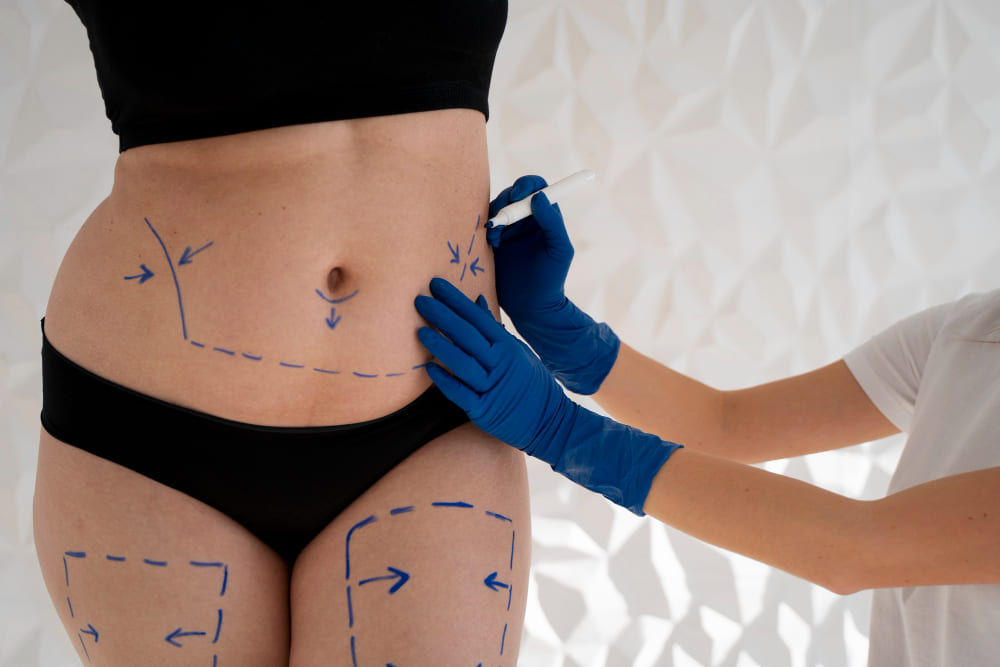

Liposuction is a surgical procedure that removes stubborn fat deposits to reshape and contour specific areas of the body.
As the most performed cosmetic surgery in the United States in 2023, according to data from Statista, its popularity is undeniable.
However, it is not a weight-loss solution and comes with a significant set of pros and cons.
This comprehensive guide delves into every facet of liposuction, from the science behind the procedure and the various techniques available to the detailed recovery process, real patient experiences, costs, and the crucial risks involved.
By understanding both the benefits and the drawbacks, you can gain the clarity needed to make a truly informed decision about whether this body contouring procedure is right for you.
In This Article
What Is Liposuction and How Does It Work?
Liposuction, also known as lipoplasty or body contouring, is a cosmetic surgery that uses suction to remove fat from specific areas of the body that have not responded to diet and exercise.
It’s designed to improve the body’s shape and proportions, not to serve as a method for significant weight loss.
A Deeper Look at the Science of Fat Removal
When you gain or lose weight, your existing fat cells, or adipocytes, simply expand or shrink in size.
The total number of fat cells in your body remains relatively stable after adolescence.
Liposuction fundamentally changes this by permanently removing adipocytes from a targeted area.
The procedure involves a surgeon making small, inconspicuous incisions in the skin.
A thin, hollow tube called a cannula is then inserted through these incisions.
The cannula is connected to a vacuum device or a syringe, and the surgeon moves it back and forth to loosen excess fat, which is then suctioned out of the body.
The goal is to leave a smoother, more refined body contour.
According to the American Society of Plastic Surgeons (ASPS), the best candidates for liposuction are adults who are within 30% of their ideal weight, have firm, elastic skin, and good muscle tone. It is a procedure for body contouring, not a treatment for obesity.
Common treatment areas include:
- Abdomen and waist (“love handles”)
- Hips and buttocks
- Thighs (inner and outer)
- Upper arms
- Back and chest area
- Inner knees, calves, and ankles
- Cheeks, chin, and neck
Who Is an Ideal Candidate for Liposuction?
Determining if you are a good candidate for liposuction is a critical first step and requires a thorough consultation with a board-certified plastic surgeon.
While the procedure can produce excellent results, it’s not suitable for everyone.
The Mayo Clinic and other medical authorities outline several key factors for ideal candidacy.
You may be a good candidate if you:
- Are in good overall health without life-threatening illnesses or medical conditions that can impair healing, such as blood flow problems, coronary artery disease, diabetes, or a weak immune system.
- Have a stable body weight and are close to your ideal weight goal (typically within 30%).
- Possess firm, elastic skin and good muscle tone. Skin with poor elasticity may appear loose or saggy after fat is removed.
- Have localized pockets of fat that are resistant to diet and exercise.
- Are a non-smoker, or are willing to quit well in advance of surgery and during recovery.
- Have realistic expectations about the outcome of the procedure.
You may NOT be a good candidate if you:
- Are looking for a weight-loss solution or a cure for obesity.
- Have significant amounts of loose, sagging skin. In these cases, an excisional procedure like a tummy tuck or thigh lift may be more appropriate.
- Expect liposuction to remove cellulite, dimples, or stretch marks. It does not.
- Have unrealistic expectations about what the surgery can achieve.
- Have serious health conditions that make surgery risky.
What Are the Different Types of Liposuction?
Over the years, liposuction techniques have evolved to improve safety, precision, and patient outcomes.
There are several different types, and your surgeon will recommend the best approach based on your goals, the treatment area, and your medical history.
Here are the most common types, combining information from sources like Healthline and the Mayo Clinic.
| Technique | Description | Best For | Key Considerations |
|---|---|---|---|
| Tumescent Liposuction (Fluid Injection) | The most common type. A large volume of medicated solution (saline, lidocaine for pain, and epinephrine to constrict blood vessels) is injected into the target area. This causes the fat to swell and firm up, making it easier to remove. | Most areas of the body; considered the standard of care. | Procedure can take longer due to the time needed for fluid injection and infiltration. It significantly reduces blood loss. |
| Super-Wet Technique | Similar to tumescent, but uses a smaller volume of fluid (roughly equal to the amount of fat to be removed). | General fat removal. | Takes less time than the tumescent technique but may require additional sedation or general anesthesia for comfort. |
| Ultrasound-Assisted Liposuction (UAL) | Uses a special cannula that emits ultrasonic energy to liquefy fat cells, making them easier to suction out. A newer generation, VASER-assisted liposuction, is a form of UAL. | Dense, fibrous areas like the upper back, male chest (gynecomastia), and areas previously treated with liposuction. | Can be more precise but carries a risk of thermal burns to the skin or deeper tissues. A 2023 study in PMC showed intraoperative ultrasound guidance can improve safety and effectiveness. |
| Laser-Assisted Liposuction (LAL) | Uses a laser fiber to deliver energy that liquefies fat cells. The liquefied fat is then drained or suctioned out. Brand names include SmartLipo and SlimLipo. | Smaller, delicate areas like the face, chin, and neck. The laser energy may also stimulate collagen production, potentially leading to better skin tightening. | Also carries a risk of thermal burns. A 2025 nationwide analysis published in the Aesthetic Surgery Journal found LAL had a 50% lower risk of complications compared to conventional liposuction. |
| Power-Assisted Liposuction (PAL) | Uses a cannula that vibrates rapidly in a back-and-forth motion. This vibration helps break up tough fat more easily, allowing for faster and more precise fat removal. | Removing large volumes of fat or treating dense fat deposits with less physical effort from the surgeon. | May result in less pain and swelling compared to traditional methods. It is often a surgeon’s preferred method for its efficiency. |
The Pros and Cons of Liposuction: A Balanced View
Making an informed decision requires weighing the potential benefits against the drawbacks and risks.
Here is a clear breakdown of the pros and cons of liposuction.
Pros of Liposuction (The Benefits)
- Effective Fat Reduction: It is highly effective at removing localized fat deposits that are resistant to lifestyle changes.
- Permanent Fat Cell Removal: The fat cells removed during liposuction do not grow back.
- Improved Body Contour and Shape: It can create a more proportionate and aesthetically pleasing silhouette, boosting self-confidence.
- Wide Range of Treatment Areas: Can be used on almost any part of the body, from large areas like the abdomen to small areas like the chin.
- Medical Benefits: Can be used to treat certain medical conditions, such as gynecomastia (enlarged male breasts), lipomas (benign fatty tumors), and lymphedema (fluid buildup).
- Relatively Safe Procedure: When performed by a qualified, board-certified surgeon, complication rates are low. A large-scale 2024 meta-analysis found the overall complication rate to be just 2.62%.
Cons of Liposuction (The Drawbacks)
- Not a Weight-Loss Tool: It removes only a limited amount of fat (typically under 10-12 pounds) and will not significantly change the number on the scale.
- Significant Recovery Time: Recovery involves pain, swelling, bruising, and activity restrictions for several weeks. Full results can take 6-12 months to appear.
- Potential for Irregularities: Results can be lumpy, wavy, or uneven (contour irregularities), especially if skin elasticity is poor. This is the most common complication.
- Serious Risks Exist: Though rare, risks include infection, bleeding, fat embolism, internal organ puncture, and adverse reactions to anesthesia.
- Cost: It is a cosmetic procedure and typically not covered by insurance, representing a significant out-of-pocket expense.
- Results Require Maintenance: While fat cells are gone, remaining fat cells can still expand if you gain weight, potentially altering your results or causing fat to accumulate in new areas.
What Should I Expect During the Liposuction Procedure?
Understanding the step-by-step process can help demystify the surgery and ease anxiety.
While specifics vary by technique, the general flow of a liposuction procedure is consistent.
- Anesthesia: Depending on the extent of the procedure and the technique used, you will receive either local anesthesia (numbing only the treatment area), IV sedation, or general anesthesia (which puts you to sleep). This is decided with your surgeon and anesthesiologist beforehand.
- Marking: Before the procedure begins, your surgeon will mark the targeted areas on your body with circles and lines to guide the surgery.
- Incisions: The surgeon makes very small, discreet incisions (usually just a few millimeters long) in the skin to allow for the insertion of the cannula.
- Fat Loosening and Removal: The surgeon inserts the cannula and moves it through the fat layer to break up the fat cells. Depending on the technique, this may be aided by fluid, ultrasound, or laser energy. The dislodged fat is then suctioned out using a surgical vacuum or syringe.
- Closure: Once the desired amount of fat is removed, the small incisions may be stitched closed. In some cases, they are left open to allow excess fluid and blood to drain, which can help reduce swelling.
The surgery can last from 30 minutes to several hours, depending on the size and number of areas being treated.
Most liposuction procedures are performed on an outpatient basis, meaning you can go home the same day, but you will need someone to drive you and stay with you for at least the first 24 hours.
What Is the Liposuction Recovery Process Really Like?
This is one of the most discussed and often underestimated aspects of liposuction.
While surgical marketing may highlight quick returns to work, real patient experiences shared on forums like Reddit often paint a more challenging picture. A realistic timeline is crucial for proper planning.
The Unfiltered Recovery Timeline
- First 3-5 Days (The “Hellish” Period): This is typically the most difficult phase. Patients report significant pain, deep soreness, burning sensations, and extreme discomfort. Movement is difficult, and you will rely heavily on prescribed pain medication. You will be required to wear a tight compression garment 24/7 to control swelling and help your skin conform to its new shape. Many people describe needing help with basic tasks like getting out of bed, cooking, and personal care.
- Weeks 1-2: Pain begins to subside into a more manageable soreness, but swelling and extensive bruising are still prominent. You will still feel stiff and uncomfortable. Many people can return to a desk job around the 2-week mark, but this is highly individual. If your job is physically demanding, you will need more time off. You must continue wearing the compression garment as directed.
- Weeks 3-6: You’ll start to feel much more like yourself. Most bruising will have faded, and a significant portion of the swelling will have gone down. You may be cleared to resume light exercise, but strenuous activities are still off-limits. Some surgeons recommend starting lymphatic drainage massages during this period to help reduce swelling and prevent fibrosis (hard scar tissue).
- Months 2-6: This is the “waiting game” phase. Swelling continues to gradually decrease, and your final results slowly emerge. It’s common to still have some firm or lumpy areas as the tissues heal. Sensation in the treated area, which may have been numb, will slowly start to return.
- 6 Months to 1 Year: By this point, the vast majority of swelling should be resolved, and you will see your final, refined results. The skin will have tightened as much as it is going to, and any residual numbness or hardness should be gone.
Real Patient Experience: “The recovery from surgery was hell. I was in agony for over a week and that was with opioids on board… I cry every day from the discomfort and the thought of what I have done to myself.” – Summarized from Reddit user experiences. This highlights the intense physical and emotional toll of the initial recovery period.
How Effective Is Liposuction and Are the Results Permanent?
Liposuction is highly effective for its intended purpose: removing localized fat and improving body contour.
Studies show high patient satisfaction rates. For example, one small 2020 study found that 86% of patients would recommend the procedure to a friend or family member.
Are the Results Truly Permanent?
Yes and no. The fat cells removed during liposuction are gone for good and will not regenerate.
In that sense, the results are permanent. However, this does not make you immune to future weight gain.
If you gain a significant amount of weight after your procedure, the remaining fat cells in the treated area—and in other parts of your body—will expand. This can alter your results.
Some patients report that after gaining weight, fat accumulates in new, sometimes unusual, areas.
For example, someone who had liposuction on their thighs might find they gain more weight in their arms or back.
This is why maintaining a stable weight through a healthy diet and regular exercise is critical to preserving your liposuction results long-term.
How Much Does Liposuction Cost?
The cost of liposuction is a major consideration for most people, as it is rarely covered by health insurance.
The price can vary dramatically based on several factors.
According to the most recent statistics from the American Society of Plastic Surgeons, the average surgeon’s fee for liposuction was $4,711. It is crucial to understand that this is only the surgeon’s fee.
The total price will also include:
- Anesthesia fees: Costs for the anesthesiologist’s services.
- Facility fees: The cost of the operating room at the hospital or surgical center.
- Pre-operative tests: Any required lab work or medical exams.
- Post-operative supplies: Compression garments, medications, etc.
- Geographic location: Costs are generally higher in major metropolitan areas.
- Surgeon’s experience: Highly experienced, in-demand surgeons typically charge more.
- Complexity of the procedure: The number and size of areas treated, and the technique used.
Given these variables, the total cost for a liposuction procedure in the United States can realistically range from $5,000 to $15,000 or more. Always get a detailed, all-inclusive quote during your consultation.
Is Liposuction Safe? Understanding the Risks
While liposuction is generally considered safe when performed by a qualified professional, it is still a major surgery and carries inherent risks.
A comprehensive 2024 systematic review and meta-analysis published in the Aesthetic Surgery Journal, which included over 29,000 patients, provides valuable data on complication rates.
Common but Less Severe Risks:
- Contour Irregularities (2.35% prevalence): The most common complication. The skin may appear bumpy, wavy, or withered due to uneven fat removal, poor skin elasticity, or unusual healing. This can be permanent.
- Bruising and Swelling: Expected after surgery and can persist for weeks or months.
- Numbness: Temporary or, in rare cases, permanent numbness in the treated area.
- Seroma (0.65% prevalence): Temporary pockets of fluid that can form under the skin and may need to be drained with a needle.
Serious but Rare Risks:
- Infection (0.02% prevalence): Skin infections are possible. A severe infection can be life-threatening.
- Internal Puncture: A cannula that penetrates too deeply can puncture an internal organ, requiring emergency surgery.
- Fat Embolism (Medical Emergency): Pieces of loosened fat can break away, enter a blood vessel, and travel to the lungs or brain.
- Venous Thromboembolism (VTE) (0.017% prevalence): Includes deep vein thrombosis (DVT), which are blood clots that can form in deep veins, usually in the legs.
- Kidney or Heart Problems: When large volumes of fluid are injected and suctioned, the shift in the body’s fluid levels can cause potentially life-threatening problems.
- Lidocaine Toxicity (0.016% prevalence): In rare cases, high levels of the anesthetic lidocaine used in the tumescent fluid can cause serious central nervous system and heart problems.
The risk of complications increases if the surgeon is operating on very large surface areas or performing multiple procedures during the same operation. Discussing your specific risk profile with your surgeon is essential.
Liposuction Before and After: Setting Realistic Expectations
Viewing liposuction before and after photos is a key part of the research process.
However, it’s important to analyze them with a critical eye. Authoritative sources like the ASPS photo gallery provide verified examples from board-certified surgeons.
How to Critically Evaluate Before and After Photos:
- Look for Consistency: Ensure the lighting, patient pose, and background are identical in both photos. This ensures a fair comparison.
- Check for Similar Body Types: Look for patients who have a similar body shape and “before” state to your own. This will give you a more realistic idea of your potential results.
- Observe the Details: Notice not just the fat reduction but also the smoothness of the skin, the location of any scars (though they are usually tiny), and the overall contour.
- Read the Case Details: Many galleries provide details on the amount of fat removed, the techniques used, and the patient’s age. This context is invaluable.
- Remember the Timeline: “After” photos are typically taken 6-12 months post-op. Your results will not look like that one week or even one month after surgery.
These photos can be a powerful tool for visualizing possibilities, but they are not a guarantee of your specific outcome.
Your unique anatomy, skin quality, and healing process will determine your final result.
How Do I Choose the Right Liposuction Surgeon?
Choosing your surgeon is the single most important decision you will make in this process.
The surgeon’s skill and experience directly impact both your safety and the quality of your aesthetic result. Do not compromise on qualifications.
Your Surgeon Checklist:
- Board Certification: Ensure your surgeon is certified by the American Board of Plastic Surgery (ABPS). This is the gold standard and indicates they have completed extensive, specialized training in plastic surgery.
- Experience: Ask how many liposuction procedures they have performed and how often they perform them. Look for a surgeon who specializes in body contouring.
- Before and After Gallery: Review their portfolio extensively. Do their results align with your aesthetic goals?
- Facility Accreditation: The surgery should be performed in an accredited, state-licensed, or Medicare-certified surgical facility. This ensures strict safety standards are met.
- Consultation and Rapport: You should feel comfortable with your surgeon. They should listen to your goals, answer all your questions thoroughly, and be honest about potential outcomes and risks.
- Honesty and Transparency: A good surgeon will be realistic, manage your expectations, and even be willing to tell you if you are not a good candidate for the procedure.
Medical Disclaimer: This article is for informational purposes only and does not constitute medical advice. The information contained herein is not a substitute for, and should never be relied upon for, professional medical advice. Always seek the advice of your physician or other qualified health provider with any questions you may have regarding a medical condition.
Frequently Asked Questions About Liposuction
1. Will liposuction help me lose weight?
No. Liposuction is a body contouring procedure, not a weight-loss method. Most patients only lose a few pounds. The ideal candidate is already at or near their target weight but struggles with stubborn fat pockets.
2. Will the fat come back after liposuction?
The removed fat cells are gone permanently. However, if you gain weight, the remaining fat cells in the treated area and elsewhere in your body will grow larger, which can alter your results.
3. Does liposuction get rid of cellulite?
No. Cellulite is caused by fibrous bands pulling down on the skin. Liposuction removes the underlying fat but does not address these bands, so it is not an effective treatment for cellulite.
4. How long is the recovery from liposuction?
You can typically return to a desk job in 1-2 weeks, but strenuous activity is restricted for 4-6 weeks. Significant swelling can last for months, with final results not fully visible for 6-12 months.
5. Is liposuction painful?
Yes, you should expect significant pain and discomfort, especially in the first 3-7 days post-surgery. This is managed with prescription pain medication. The pain gradually subsides into soreness over several weeks.
6. Will I have scars after liposuction?
Liposuction requires small incisions, which will result in small scars. A skilled surgeon places these incisions in inconspicuous locations. Over time, they typically fade and become barely noticeable.
7. When will I see my final results?
While you may notice an immediate difference, post-operative swelling will obscure the outcome. It takes about 3-6 months for the majority of swelling to resolve, and up to a full year to see the final, refined contour.
8. Can liposuction tighten loose skin?
Traditional liposuction does not tighten skin, it can actually make loose skin appear worse. Some techniques like Laser-Assisted (LAL) or Radiofrequency-Assisted Lipolysis (RFAL) may offer mild skin tightening benefits, but a separate procedure like a tummy tuck is needed for significant sagging.
Conclusion
Liposuction remains a powerful and popular tool for achieving a more sculpted, proportionate body that diet and exercise alone cannot produce.
For the right candidate—someone with good health, realistic expectations, and a commitment to a stable lifestyle—the procedure can be life-changing, offering a permanent solution to stubborn fat and a significant boost in self-confidence.
However, the decision should not be taken lightly. The benefits must be weighed against a challenging recovery period, considerable cost, and a list of potential, albeit rare, serious risks.
The “perfect” result is not guaranteed, and the most common complication is dissatisfaction with the final contour.
Ultimately, the key to a successful outcome lies in thorough research, realistic expectations, and, most importantly, selecting a highly qualified, board-certified plastic surgeon.
If you are considering liposuction, your next step should be to schedule consultations with trusted surgeons to discuss your personal goals and candidacy.
Have you had experience with liposuction, or are you considering it? Share your questions or story in the comments below to help others in their journey.