


Iron deficiency is a widespread nutritional disorder where the body lacks sufficient iron to function correctly, potentially leading to symptoms like profound fatigue, brain fog, and unusual cravings.
Affecting an estimated 1.2 billion people worldwide with iron deficiency anemia alone, the true prevalence of iron deficiency is likely much higher, as the condition often exists long before anemia develops.
This comprehensive guide delves into the subtle and overt signs of iron deficiency, explores its underlying causes, explains how it’s diagnosed, and outlines the most effective treatment strategies.
Understanding these signs is the first step toward reclaiming your energy and overall well-being.
In This Article
What Is Iron Deficiency and How Is It Different from Anemia?
While often used interchangeably, iron deficiency and iron deficiency anemia are not the same.
They represent different stages of the same underlying problem: a lack of iron.
Understanding this distinction is crucial for early detection and effective management.
Defining Iron: The Body’s Essential Mineral
Iron is a vital mineral that plays a central role in numerous bodily functions.
Its most well-known job is as a key component of hemoglobin, the protein in red blood cells responsible for transporting oxygen from your lungs to every tissue and organ in your body.
Without enough iron, your body cannot produce enough healthy red blood cells, leading to a cascade of health issues.
Beyond oxygen transport, iron is also essential for energy metabolism, DNA synthesis, and maintaining a healthy immune system.
The Spectrum: From Iron Depletion to Iron Deficiency Anemia (IDA)
Iron deficiency develops progressively through several stages.
It’s not an on-off switch but a gradual decline in the body’s iron reserves.
- Stage 1: Iron Depletion. This is the earliest and mildest stage. The body’s stored iron, primarily held in a protein called ferritin, begins to decrease. At this point, hemoglobin levels are still normal, and there are usually no noticeable symptoms. Your body is essentially dipping into its savings account.
- Stage 2: Iron-Deficient Erythropoiesis. As iron stores become further depleted, the supply of iron to the bone marrow (where red blood cells are made) becomes insufficient. While hemoglobin levels might still be within the low-normal range, the production of new red blood cells is impaired. Some mild, non-specific symptoms like fatigue may begin to appear.
- Stage 3: Iron Deficiency Anemia (IDA). This is the final and most severe stage. Iron stores are exhausted, and the body can no longer produce enough hemoglobin to fill its red blood cells. Hemoglobin levels drop below the normal range, and red blood cells become smaller (microcytic) and paler (hypochromic). The symptoms at this stage are much more pronounced and can significantly impact daily life.
The Critical Distinction: Iron Deficiency Without Anemia (IDWA)
A person can be iron deficient for months or even years before they develop full-blown anemia.
This condition, known as Iron Deficiency Without Anemia (IDWA), is a significant and often overlooked health issue.
Research suggests IDWA is nearly twice as common as iron deficiency anemia.
Even without low hemoglobin, individuals with IDWA can experience debilitating symptoms like fatigue, hair loss, and cognitive impairment because other iron-dependent processes in the body are suffering.
“The World Health Organization (WHO) identifies ‘mild anemia’ a misnomer, stating ID is well advanced by the time anemia is detected.” – Moss & Pakbaz, J Community Hosp Intern Med Perspect, 2025.
Recognizing IDWA is critical because it allows for intervention before the condition progresses to anemia and causes more severe health complications.
If you experience symptoms of iron deficiency but your routine blood count is normal, it’s essential to ask your doctor for a more detailed iron panel.
How Common Is Iron Deficiency? A Global Health Issue
Iron deficiency is the most prevalent nutritional deficiency worldwide, affecting people of all ages, genders, and socioeconomic backgrounds.
Its impact is so significant that the World Health Organization (WHO) considers it a major public health concern.
Global Prevalence: A Look at the WHO Numbers
The global statistics are staggering. According to the WHO, anemia (of which iron deficiency is the leading cause) affects a massive portion of the world’s population:
- 37% of pregnant women.
- 30% of women of reproductive age (15-49 years).
- 40% of children between 6 and 59 months of age.
In 2019, anemia was responsible for 50 million years of healthy life lost due to disability.
Since iron deficiency is the cause in at least half of all anemia cases, and IDWA is even more common, the true number of people suffering from inadequate iron levels is likely well over two billion.
Iron Deficiency in the United States: Surprising Statistics
While often associated with developing countries, iron deficiency is also a significant problem in the United States. Recent data reveals a concerning picture:
- A 2023 study in JAMA found that among US females aged 12-21, nearly 40% had iron deficiency, and 6% had progressed to iron deficiency anemia.
- Research published in JAMA Network Open in 2024 suggested that nearly 1 in 3 US adults may have some form of iron deficiency, either absolute (low stores) or functional (inability to use stores).
- Women of childbearing age are particularly at risk, with some estimates suggesting a prevalence of iron deficiency anemia around 10% due to menstrual losses.
Why It’s Often Underdiagnosed
Despite its prevalence, iron deficiency frequently goes undiagnosed. There are several reasons for this diagnostic gap:
- Vague Symptoms: Early symptoms like fatigue, weakness, and brain fog are non-specific and can be easily attributed to stress, lack of sleep, or other lifestyle factors.
- Focus on Anemia: Many routine health screenings only check for anemia (low hemoglobin) via a Complete Blood Count (CBC). If hemoglobin is normal, the underlying iron deficiency may be missed.
- Lack of Awareness: Both patients and some healthcare providers may not be fully aware of the prevalence and impact of Iron Deficiency Without Anemia (IDWA). A 2024 study in Blood Advances highlighted that even after diagnosis, over half of patients still had unresolved iron deficiency three years later, pointing to gaps in recognition and treatment.
Are You at Risk? Key Risk Factors for Iron Deficiency
While anyone can develop iron deficiency, certain groups are significantly more vulnerable due to physiological demands, dietary habits, or underlying medical conditions.
Identifying whether you fall into one of these categories can help you be more proactive about your iron status.
Women of Childbearing Age
This is one of the largest at-risk groups. Regular blood loss through menstruation is a primary driver. Individuals with heavy menstrual bleeding (menorrhagia) are at an especially high risk.
Furthermore, pregnancy dramatically increases the body’s iron requirements to support the growing fetus, placenta, and increased maternal blood volume.
According to Healthline, these factors make women more likely to experience iron-deficiency anemia.
Infants, Children and Adolescents
Periods of rapid growth create a high demand for iron. Infants, particularly those born prematurely or with low birth weight, may have lower iron stores at birth.
Toddlers who drink excessive amounts of cow’s milk (which is low in iron and can interfere with its absorption) are also at risk.
Adolescents, especially girls who begin menstruating and are also going through a growth spurt, face a double risk.
Vegetarians and Vegans
Dietary iron comes in two forms: heme iron (from animal products) and non-heme iron (from plant sources). Heme iron is much more readily absorbed by the body.
While a well-planned vegetarian or vegan diet can provide adequate iron, it requires careful attention to including iron-rich plant foods and pairing them with vitamin C to enhance absorption.
Those who don’t replace meat with other iron-rich foods are at a higher risk of iron deficiency.
Frequent Blood Donors
Donating blood is a commendable act, but it also removes a significant amount of iron from the body.
A single donation can remove 220-250 mg of iron. While blood centers check hemoglobin levels, they do not check ferritin (iron stores).
It can take many months to replenish these stores, and frequent donors may struggle to keep up, leading to iron deficiency.
Individuals with Gastrointestinal (GI) Conditions
Certain GI disorders can cause iron deficiency through two main mechanisms: blood loss and malabsorption.
- Malabsorption: Conditions like celiac disease, Crohn’s disease, and atrophic gastritis damage the intestinal lining, impairing the body’s ability to absorb iron from food. Surgeries like gastric bypass also reduce the absorptive surface area.
- Blood Loss: Chronic, slow blood loss (occult bleeding) from stomach ulcers, colon polyps, inflammatory bowel disease (IBD), or GI cancers is a common and serious cause of iron deficiency, especially in older adults.
The Elderly Population
Adults over age 65 are at increased risk due to a combination of factors, including poorer diets, reduced stomach acid (which aids absorption), higher prevalence of chronic diseases that cause inflammation, and an increased likelihood of occult GI bleeding.
A 2025 study noted that iron deficiency anemia-related mortality trends have increased among older US subjects.
High-Performance and Endurance Athletes
Athletes, particularly marathon runners, can experience higher iron losses through sweat, urine, and minor GI bleeding induced by intense exercise (“foot-strike hemolysis”).
Their increased red blood cell production to support athletic performance also raises their daily iron requirements, making them susceptible to iron deficiency.
The Obvious and Subtle Signs: What Are the Symptoms of Iron Deficiency?
The symptoms of iron deficiency can range from barely noticeable to severely debilitating, often progressing as iron stores dwindle.
Many people dismiss the early signs, but learning to recognize both the classic and the more unusual symptoms is key to getting a timely diagnosis.
Classic, Well-Known Symptoms
These are the symptoms most commonly associated with anemia, but they can also appear in earlier stages of iron deficiency.
- General Fatigue and Weakness: This is the most common symptom. It’s a pervasive tiredness that isn’t relieved by rest, caused by insufficient oxygen reaching your muscles and tissues.
- Pale Skin (Pallor): Hemoglobin gives blood its red color and skin its rosy hue. A lack of it can make the skin, lips, and the inside of the eyelids and gums appear paler than usual. Pallor is a key clinical sign, though often not visible until anemia is significant.
- Shortness of Breath (Dyspnea): With less hemoglobin to carry oxygen, your lungs have to work harder to supply the body’s needs, leading to breathlessness, especially with exertion like climbing stairs.
- Dizziness or Lightheadedness: Insufficient oxygen to the brain can cause feelings of dizziness or feeling like you might faint.
The “Missing” Signs: Lesser-Known Physical Symptoms
These are the telltale signs you might be missing, as they are not always immediately linked to an iron issue.
- Hair Loss: Iron is crucial for hair follicle health. When the body is low on iron, it prioritizes essential functions, diverting oxygen away from non-essential ones like hair growth, which can lead to noticeable shedding (telogen effluvium).
- Brittle or Spoon-Shaped Nails (Koilonychia): Nails may become fragile, chip easily, or in severe cases, develop a concave, spoon-like shape. This is a specific and telling sign of chronic iron deficiency.
- Cracks at the Corners of the Mouth (Angular Cheilitis): Painful cracks and inflammation at the corners of your lips can be a sign of iron deficiency.
- Sore or Swollen Tongue (Glossitis): Your tongue may become pale, smooth, swollen, or sore. This is due to low levels of myoglobin, an iron-containing protein in muscle tissue.
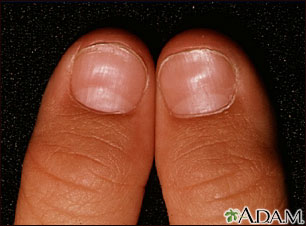
Koilonychia, or “spoon nails”, is a distinctive sign of severe, long-standing iron deficiency.
Neurological and Cognitive Symptoms
Iron’s role in the brain is profound, and a deficiency can significantly impact mental function.
- Brain Fog and Difficulty Concentrating: Many people with iron deficiency report a frustrating inability to focus, poor memory, and a general feeling of mental “fogginess”.
- Headaches: While the exact mechanism is debated, a link between iron deficiency and an increased frequency of headaches has been observed in some studies. A 2025 meta-analysis explored this bidirectional relationship.
- Restless Legs Syndrome (RLS): An overwhelming and unpleasant urge to move your legs, especially at night, is strongly associated with low iron levels in the brain.
Unusual Cravings: The Phenomenon of Pica
One of the most peculiar symptoms of severe iron deficiency is pica, an intense craving to eat non-food items with no nutritional value.
Common cravings include ice (pagophagia), dirt, clay, starch, or paper. The reason for this is not fully understood, but the cravings typically resolve once iron levels are restored.
Other Telltale Clues
- Cold Hands and Feet: Poor oxygen circulation can lead to persistently cold extremities.
- Increased Susceptibility to Infections: Iron is vital for a properly functioning immune system. A deficiency can weaken your body’s defenses, making you more prone to colds and other infections.
- Fast or Irregular Heartbeat: The heart has to work harder to pump oxygen-poor blood throughout the body, which can lead to palpitations or an irregular rhythm.
What Causes Iron Deficiency? Unpacking the Root Issues
Understanding the cause of iron deficiency is just as important as treating it.
A healthcare professional must investigate the underlying reason to ensure it’s not a sign of a more serious condition and to prevent recurrence. The causes generally fall into four main categories.
1. Inadequate Dietary Intake
This is a straightforward cause: not consuming enough iron-rich foods over an extended period.
This is particularly common in individuals following poorly planned vegetarian or vegan diets, or in those with limited access to a variety of nutritious foods.
As noted by StatPearls, dietary sources like red meat and green vegetables are crucial.
2. Increased Bodily Demand
At certain life stages, the body’s need for iron skyrockets. If intake doesn’t increase to match this demand, a deficiency can quickly develop.
- Pregnancy: Iron is needed for the fetus, placenta, and the mother’s expanded blood volume. This is why prenatal vitamins are almost always fortified with iron.
- Growth Spurts: Infants, children, and adolescents require more iron to support their rapidly growing bodies.
3. Blood Loss (Obvious and Occult)
Losing blood means losing iron. This is the most common cause of iron deficiency anemia in adults, especially older adults. Blood loss is the most common cause of acute iron depletion.
- Heavy Menstrual Bleeding: A frequent and often under-reported cause in premenopausal women.
- Gastrointestinal (GI) Bleeding: This can be slow, chronic, and invisible (occult), making it particularly dangerous. Potential sources include:
- Stomach ulcers
- Colon polyps or colorectal cancer
- Esophagitis
- Regular use of NSAIDs (like aspirin or ibuprofen), which can irritate the stomach lining.
- Other Sources: Less common causes include frequent nosebleeds, urinary tract bleeding, or blood loss from trauma or surgery.
4. Impaired Iron Absorption
Sometimes, even if you eat enough iron, your body can’t absorb it properly.
The small intestine is where most iron absorption occurs, and any condition affecting it can lead to iron deficiency.
- Celiac Disease: An autoimmune disorder where gluten consumption damages the small intestine.
- Inflammatory Bowel Disease (IBD): Conditions like Crohn’s disease can cause inflammation and damage to the intestinal tract.
- Gastric Bypass Surgery: This procedure alters the digestive tract, often bypassing the duodenum, the primary site of iron absorption.
- Medications: Antacids and proton pump inhibitors (PPIs) reduce stomach acid, which is necessary to convert iron into a more absorbable form.
- Helicobacter pylori Infection: This common bacterium can cause gastritis and interfere with iron absorption.
Genetic Factors
In rare cases, genetics can play a role. For example, the TMPRSS6 mutation causes the body to produce too much hepcidin, a hormone that blocks iron absorption from the gut. Healthline mentions this as a genetic cause.
How Is Iron Deficiency Diagnosed? A Guide to Medical Tests
If you suspect you have iron deficiency based on your symptoms and risk factors, a proper medical diagnosis is essential.
A doctor will typically start with a simple blood test and may order more specific tests to confirm the diagnosis and determine its severity.
The First Step: Complete Blood Count (CBC)
A CBC is a routine blood test that provides a snapshot of your overall blood health.
For diagnosing iron deficiency anemia, a doctor will look at several key values:
- Hemoglobin (Hb): Measures the amount of oxygen-carrying protein in your blood. Low levels indicate anemia.
- Hematocrit (Hct): The percentage of your blood volume made up of red blood cells. This is also low in anemia.
- Mean Corpuscular Volume (MCV): Indicates the average size of your red blood cells. In iron deficiency anemia, red blood cells are typically smaller than normal (microcytic).
A CBC is a great screening tool, but it can’t diagnose iron deficiency on its own, especially IDWA, where these values might still be normal.

A peripheral blood smear from a patient with moderate iron deficiency anemia. Note the red blood cells are smaller (microcytic) and paler (hypochromic) than normal. Image courtesy of the ASH Image Bank.
The Iron Panel: A Deeper Look
To confirm iron deficiency, a doctor will order a specific set of tests known as an iron panel or iron studies.
These tests measure how much iron is circulating and stored in your body.
- Serum Ferritin: This is the most sensitive test for identifying iron deficiency. Ferritin is the protein that stores iron in your body. Low ferritin levels are a direct indicator of depleted iron stores. However, ferritin is also an acute phase reactant, meaning it can be falsely elevated by inflammation, infection, or liver disease.
- Serum Iron: Measures the amount of iron currently circulating in your blood. This level can fluctuate significantly depending on recent dietary intake.
- Total Iron-Binding Capacity (TIBC): This test measures how much transferrin—the protein that transports iron in the blood—is available to bind with iron. In iron deficiency, the body produces more transferrin in an attempt to capture more iron, so TIBC is typically high.
- Transferrin Saturation (TSAT): This is a calculation (Serum Iron ÷ TIBC × 100) that shows the percentage of transferrin that is actually carrying iron. A low TSAT (usually <20%) indicates that there isn’t enough iron to go around.
Understanding the Lab Results
Interpreting these results together gives a clear picture of your iron status. Here is a simplified table showing typical patterns:
| Test | Normal | Iron Deficiency | Anemia of Chronic Disease |
|---|---|---|---|
| Serum Ferritin | Normal | Low | Normal or High |
| Serum Iron | Normal | Low | Low |
| TIBC | Normal | High | Low or Normal |
| Transferrin Saturation (TSAT) | Normal | Low | Low or Normal |
Advanced Diagnostic Procedures
If iron deficiency is confirmed, especially in men or postmenopausal women where the cause isn’t obvious, further investigation is crucial to find the source of iron loss.
- Endoscopy and Colonoscopy: To check for GI bleeding, a doctor may recommend an upper endoscopy (to examine the esophagus, stomach, and duodenum) and/or a colonoscopy (to examine the large intestine).
- Fecal Occult Blood Test: A simple test to check for hidden blood in the stool.
- The “Gold Standard”: Bone Marrow Biopsy. In very complex cases, a specialist may perform a bone marrow aspiration and biopsy. Staining the sample with Prussian blue allows for direct visualization of iron stores. This is considered the definitive test but is invasive and rarely needed for a typical diagnosis of iron deficiency.
Prussian blue iron stains of bone marrow. The bottom right image shows a complete absence of stainable iron, confirming severe iron deficiency. Image courtesy of the ASH Image Bank.
The Long-Term Consequences: Why You Shouldn’t Ignore Iron Deficiency
Leaving iron deficiency untreated can lead to a range of health complications, some of which can be serious.
The body’s struggle to function without adequate oxygen and iron takes a toll over time.
Cardiovascular Complications
When you’re anemic, your heart must pump harder and faster to circulate oxygen-rich blood to your body. This extra strain can lead to:
- Rapid or Irregular Heartbeat (Tachycardia/Arrhythmia): The heart overworks to compensate for the lack of oxygen.
- Enlarged Heart or Heart Failure: Over a long period, this chronic overwork can cause the heart muscle to weaken and enlarge, potentially leading to heart failure. Studies show that iron deficiency is common in patients with heart failure and is an independent risk factor for mortality.
Pregnancy and Developmental Issues
Severe iron deficiency during pregnancy can be dangerous for both mother and baby.
- For the Baby: It is linked to an increased risk of premature birth, low birth weight, and impaired cognitive and motor development.
- For the Mother: It increases the risk of complications during delivery and postpartum depression.
In infants and children, untreated iron deficiency can cause delayed growth and development, cognitive problems, and behavioral issues.
Impaired Immune Function
Iron is essential for the proliferation and maturation of immune cells.
A deficiency can weaken the immune system, making you more vulnerable to infections and less able to fight them off effectively.
Decreased Quality of Life and Mental Health
The chronic fatigue, weakness, and cognitive symptoms associated with iron deficiency can severely impact a person’s ability to work, study, and enjoy daily activities.
There is also a growing body of evidence linking iron deficiency to mental health conditions like depression and anxiety.
The constant struggle with physical and mental exhaustion can be a significant burden on overall well-being.
How Do You Treat Iron Deficiency? A Comprehensive Approach
The good news is that iron deficiency is highly treatable. The approach typically involves a combination of treating the underlying cause, increasing iron intake through diet, and using iron supplements.
The specific plan will depend on the severity of the deficiency and its root cause.
Boosting Iron Through Diet: Foods to Focus On
For mild cases or prevention, dietary changes can be very effective.
It’s important to focus on both iron-rich foods and factors that affect absorption.
- Heme Iron (from animal sources): This form is highly bioavailable. Excellent sources include red meat (beef, lamb), organ meats (liver), poultry (dark meat), and fish (sardines, shellfish).
- Non-Heme Iron (from plant sources): This form is less easily absorbed. Great sources include legumes (lentils, beans, chickpeas), tofu, spinach and other leafy greens, nuts, seeds, and iron-fortified cereals and breads.
- Enhance Absorption: Consuming vitamin C-rich foods (citrus fruits, bell peppers, broccoli, strawberries) alongside non-heme iron sources can dramatically increase absorption.
- Inhibit Absorption: Certain compounds interfere with iron absorption. It’s best to avoid consuming calcium-rich foods (dairy), coffee, tea, and high-fiber foods at the same time as your iron-rich meal or supplement.
Oral Iron Supplements: The First-Line Therapy
For most people with diagnosed iron deficiency, diet alone is not enough to replenish stores.
Oral iron supplements are the standard treatment.
- Types of Oral Iron: The most common and cost-effective form is ferrous sulfate. Other forms include ferrous gluconate and ferrous fumarate. They are available over-the-counter, but it’s crucial to take them under medical supervision to ensure proper dosage and avoid iron overload.
- Dosing Strategies: Traditionally, iron was prescribed daily. However, recent research suggests that alternate-day dosing (taking a supplement every other day) may improve absorption and reduce side effects by allowing the hormone hepcidin to decrease between doses. Discuss the best strategy with your doctor.
- Managing Side Effects: Common side effects include constipation, nausea, stomach upset, and dark stools. Taking supplements with a small amount of food (though this slightly reduces absorption) or trying a different formulation can help.
Pro Tip: Take your iron supplement with a glass of orange juice on an empty stomach (if tolerated) to maximize absorption. Avoid taking it with antacids, which should be taken at least two hours before or four hours after your iron dose.
Intravenous (IV) Iron: When Is It Necessary?
In some situations, oral iron is not effective or appropriate. A doctor may recommend IV iron if a patient:
- Cannot tolerate oral iron due to severe side effects.
- Has a malabsorption condition like celiac disease or has had gastric bypass surgery.
- Has severe iron deficiency or ongoing blood loss that requires rapid replenishment.
- Has an inflammatory condition like IBD or chronic kidney disease, as inflammation can block oral iron absorption.
IV iron is administered directly into the bloodstream, bypassing the gut, and can replenish iron stores much more quickly and reliably than oral supplements.
Blood Transfusions: An Emergency Measure
Red blood cell transfusions are reserved for cases of severe iron deficiency anemia with dangerously low hemoglobin levels, active bleeding, or significant symptoms like chest pain or extreme weakness.
A transfusion provides a rapid but temporary fix by replacing red blood cells, it does not correct the underlying iron deficiency itself.
Frequently Asked Questions (FAQ) about Iron Deficiency
1. How long does it take to recover from iron deficiency?
With oral supplements, hemoglobin levels often start to improve within a few weeks. However, it can take 3 to 6 months of consistent supplementation to fully replenish the body’s iron stores (ferritin). It’s crucial to continue treatment as prescribed by your doctor, even after you start feeling better.
2. Can I have iron deficiency with a normal CBC?
Yes, absolutely. This is known as Iron Deficiency Without Anemia (IDWA). Your Complete Blood Count (CBC) can be normal while your iron stores (ferritin) are depleted. This is why a specific iron panel is necessary for a complete diagnosis if you have symptoms.
3. What is the best iron supplement to take?
Ferrous sulfate is the most commonly recommended and studied form. However, if it causes side effects, your doctor might suggest ferrous gluconate, ferrous fumarate, or a slow-release formula. The best supplement is one you can tolerate and that effectively raises your iron levels.
4. Can you get too much iron from supplements?
Yes, iron overload (hemochromatosis) is a serious condition that can damage organs like the liver and heart. You should never self-diagnose and treat with high-dose iron supplements. Always consult a healthcare professional for proper diagnosis and dosage recommendations.
5. Is iron deficiency the same as anemia?
No. Iron deficiency is a lack of iron in the body. Anemia is a lack of healthy red blood cells or hemoglobin. Iron deficiency is the most common cause of anemia, but you can be iron deficient for a long time before you become anemic.
6. Why is tea bad for iron absorption?
Tea contains compounds called tannins, which bind to non-heme iron in the digestive tract, forming a complex that the body cannot absorb. It’s best to drink tea or coffee at least an hour before or after an iron-rich meal or supplement.
7. What are the main iron deficiency symptoms in women?
While symptoms are similar for everyone, women often report heavy fatigue, hair loss, brittle nails, and headaches. Due to menstruation, women are at a higher risk and should be particularly aware of these signs, especially if they have heavy periods.
8. Can iron deficiency cause anxiety or depression?
Yes, there is a growing link between low iron levels and mental health. Iron is crucial for producing neurotransmitters like dopamine and serotonin, which regulate mood. The physical symptoms of fatigue and brain fog can also contribute to feelings of depression and anxiety.
Conclusion
Iron deficiency is far more than just feeling a little tired. It’s a complex nutritional disorder with a wide spectrum of symptoms—from the well-known to the surprisingly subtle—that can significantly diminish your quality of life.
As we’ve seen, it can affect anyone but is particularly prevalent among women, children, and those with certain dietary patterns or medical conditions.
The key takeaways are clear: listen to your body, recognize that symptoms like brain fog, hair loss, and restless legs can be important clues, and understand that you can be iron deficient even if you’re not anemic.
A proper diagnosis requires more than a standard blood count, it needs a comprehensive look at your iron stores.
If any of the signs and symptoms discussed in this article resonate with you, don’t dismiss them.
Your first and most important step is to consult a healthcare professional. They can order the right tests, help you identify the underlying cause, and create a safe and effective treatment plan tailored to your needs.
Have you experienced any of these subtle signs of iron deficiency? Share your story or questions in the comments below to help others on their journey to better health.
Disclaimer
The information provided in this article is for educational and informational purposes only and is not intended as medical advice. It should not be used to diagnose or treat any health problem or disease. Always seek the advice of your physician or other qualified health provider with any questions you may have regarding a medical condition.